Introduction
Polycystic ovary syndrome (PCOS) is a heterogeneous disorder characterized by hyperandrogenism in females with an incompletely understood etiology. Research highlights its multifactorial background, suggesting an interplay between genetic factors and environmental influences [1]. PCOS predominantly affects women of reproductive age; however, it often starts in adolescence. Patients with PCOS commonly present with ovulatory dysfunction, menstrual disorders including oligomenorrhea or amenorrhea, as well as acne, polycystic ovarian morphology (PCOM), hirsutism, and obesity. However, it is worth emphasizing that irregular menstrual cycles, acne, and PCOM are also hallmarks of normal puberty, which complicates diagnosis in adolescents [2]. Furthermore, the observation of early adrenarche before the age of eight could be irrelevant, but it could also be a potential risk factor for the development of PCOS in the future [3].
Clinical features of PCOS can result from hormonal dysregulation, including abnormalities in steroidogenesis leading to hyperandrogenemia, as well as alterations in the hypothalamic-pituitary-gonadal axis, influencing luteinizing hormone and follicle-stimulating hormone balance [4]. While hormonal disruptions are central to PCOS pathogenesis, studies also underscore the pivotal role of insulin resistance (IR), hyperinsulinemia, excess adipose tissue, alterations in adiponectin levels, dysregulated kisspeptin signaling, and maladaptive pathways in response to energy overabundance [5]. Insulin exerts selective effects on the ovaries, enhancing excessive androgen production by ovarian theca cells while simultaneously reducing sex hormone-binding globulin (SHBG) level. This reduction of SHBG increases the concentration of free androgens in the bloodstream, exacerbating hyperandrogenemia and contributing to the pathophysiology of PCOS [6]. The substantial overlap between normal pubertal changes and pathological features of PCOS renders adolescents particularly susceptible to overdiagnosis, underdiagnosis, or misdiagnosis. The controversy over diagnostic criteria, evaluation protocols, and therapeutic approaches for adolescents is reflected in the evolution of numerous guidelines and recommendations over time. The diagnosis of PCOS in adolescent girls varies depending on the diagnostic criteria applied within the population [7]. The first formal recommendations for PCOS management were the National Institute of Child Health and Human Development criteria from 1990 [8] and the Rotterdam Criteria from 2003 [9], established by the European Society of Human Reproduction and Embryology (ESHRE)/American Society for Reproductive Medicine (ASRM)-sponsored Consensus Group. Both documents emphasized hyperandrogenism and chronic anovulation as diagnostic markers, with the latter expanding the criteria to include PCOM, thereby significantly broadening the definition of the syndrome. However, these recommendations remained adult-focused and did not address the diagnostic and therapeutic nuances specific to adolescents. Over the years, guideline development has evolved in methodology and scope. Key frameworks such as Grading of Recommendations, Assessment, Development, and Evaluation [10], the Appraisal of Guidelines for Research and Evaluation tool [11] and its updated version [12] were adopted to ensure consistency, transparency, and rigor. Between 1990 and 2025, only 3 official guidelines specifically address the diagnosis and management of PCOS in adolescents [13, 14, 15]. The other general guidelines include chapters and distinctions in recommendations based on the patient’s age. However, variability in the assessment of PCOS by pediatric specialists remains evident and has a significant impact on the final diagnosis in patients in this age group [16].
Aim of the study
Our study aimed to examine the changing approaches to the diagnosis and management of PCOS in adolescents by systematically comparing the most recent international and regional guidelines on the diagnosis and management of PCOS in adolescents with the recommendations and position statements published over the last ten years. The objective was to identify the major shifts in diagnostic criteria, therapeutic strategies, and understanding of adolescent PCOS, as well as to highlight areas of ongoing controversy and emerging consensus among leading scientific societies.
Material and methods
This systematic review adheres to the Preferred Reporting Items for Systematic Reviews and Meta-Analyses (PRISMA) 2020 statement [17] to ensure transparency in identifying, selecting, and synthesizing relevant studies. Systematic searches were conducted in PubMed/Medline, Embase, and Web of Science databases, complemented by manual searches of organizational websites, including the European Society of Endocrinology, Endocrine Society, ESHRE, ASRM, American College of Obstetricians and Gynecologists, American Association of Clinical Endocrinologists and Royal College of Obstetricians and Gynaecologists. Reference lists of key documents were reviewed to identify additional relevant documents.
The search extended to March 2025, using a combination of terms such as “PCOS,” “guidelines,” “recommendations,” “consensus statement,” “position statement,” “diagnosis,” and “treatment.” Boolean operators (e.g., “AND/OR”), and a publication year filter (2015–2025) were applied to refine the results. The search included English written guidelines with a global, international, national, or local scope, which were either general or specific to adolescents. Document types included were guidelines, practice guidelines, recommendations or consensus statements that provided explicit diagnostic or therapeutic recommendations for adolescents. The exclusion criteria included papers classified as systematic reviews, clinical studies, observational studies, interventional studies, longitudinal studies, registry-based studies, epidemiological studies, case reports, or meta-analyses. We also excluded documents that did not mention the adolescent group anywhere in the text.
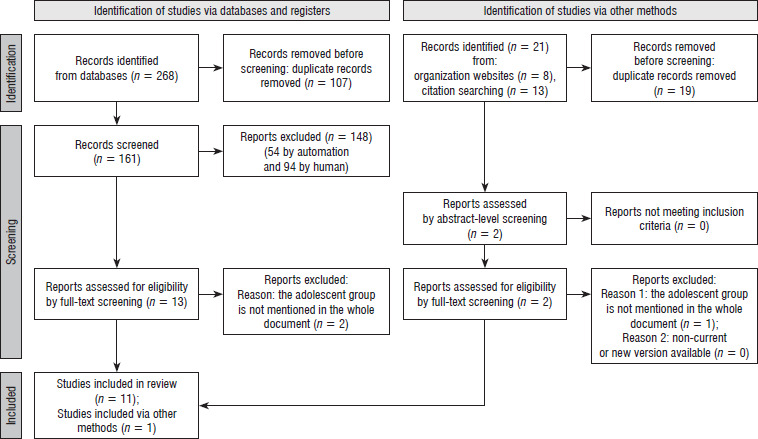
The general guidelines aimed primarily at adults were also reviewed to extract adolescent-specific information, ensuring a comprehensive analysis of adolescent content. To assess the adolescent specificity in each guideline, we performed a keyword search for “adolescents” (including all grammatical variations) using the text search function. Based on the frequency of this keyword, we categorized the strength of focus as follows: 0 occurrences: no adolescent-oriented recommendations (exclusion criteria), 1–10 occurrences: low focus on adolescents, 11–50 occurrences: moderate focus on adolescents, 51–99 occurrences: high focus on adolescents, 100+ occurrences or entire document targeted at adolescents: very high focus on adolescents. We acknowledge that the frequency of keyword occurrences represents only a proxy measure of adolescent-specific focus and may not fully reflect the depth or quality of recommendations within each guideline. A PRISMA 2020 flow diagram (Figure 1) is presented to illustrate the study selection process, including the number of records identified, screened, excluded, and included.
Results
The database searched 268 records, with an additional 21 identified through organizational websites and citation tracking. After removing 107 duplicates from the database search and 19 from websites of organizations and citation searching against databases, 163 unique records were screened at the abstract level. Thirteen full-text screened studies were assessed for eligibility from the databases search and 2 studies from other methods, with exclusions made for reasons such as not mentioning the adolescent group in the publication (2 studies from the database search and 1 study from other methods). Ultimately, 11 studies met the inclusion criteria and were included from the review of databases, and 1 study from the review of websites of organizations and citation. The included studies were synthesized into a comparative table, capturing their publication year, first author, range (global versus national), adolescent focus (assessed by searching for the phrase “adolescent/adolescence” in the whole text), description of recommendations, and frameworks used (Table I).
Table I
Characteristics of included evidence-based guidelines, recommendations, and consensus statements on polycystic ovary syndrome (PCOS) in adolescents
| No. | Year of publication | Author | Range | Number of occurrences of term “adolescents” in whole text* | Focus on adolescents | Description |
|---|---|---|---|---|---|---|
| 1 | 2015 | Moghetti et al.[18] | National (Italy) | 6 | Low | It contains one short section about adolescents, highlighting difficulty of diagnosing, careful follow-up and evaluation in suspected cases |
| 2 | 2015 | Witchel et al.[13] | Global | Addressed to adolescents | Very high | Guideline for management of PCOS in adolescents, diagnostic challenges; emphasizing physiological changes during puberty |
| 3 | 2015 | Goodman et al.[19] | Global | 50 | Moderate | It contains brief section about adolescents, diagnostic criteria, treatment strategies |
| 4 | 2017 | Ibáñez et al.[14] | Global | Addressed to adolescents | Very high | Guideline for management of PCOS in adolescents, discusses hormonal, metabolic, and reproductive aspects, evidence-based recommendations |
| 5 | 2018 | The 2018 International Evidence-Based Guideline [20] | Global | 129 | Very high | International evidence-based guideline combining the highest-quality available evidence with insights from a multidisciplinary team of experts |
| 6 | 2018 | Milewicz et al.[21] | National (Poland) | 19 | Moderate | It includes national perspectives on PCOS diagnosis and management across different age groups |
| 7 | 2020 | Malik et al.[22] | National (India) | 90 | High | Guideline for diagnosis and management of PCOS in the Indian population; most recommendations are presented separately for adult women and adolescents |
| 8 | 2020 | Peña et al.[15] | Global | Addressed to adolescents | Very high | The guideline focuses entirely on adolescent PCOS, discussing diagnostic criteria and treatment approaches |
| 9 | 2020 | Moran et al.[23] | Global | 13 | Moderate | It focuses on lifestyle management for PCOS, including recommendations for adolescents |
| 10 | 2023 | The 2023 International Evidence-Based Guideline [24] | Global | 192 | Very high | An updated general guideline with further refinement of diagnostic and therapeutic approaches for adolescents |
| 11 | 2024 | Teede et al.[25] | National (Australia) | 16 | Moderate | An Australian adaptation of the 2023 International Evidence-Based Guideline [24] |
| 12 | 2025 | Peña et al.[26] | Global | Addressed to adolescents | Very high | Prepared by the same group as the 2023 International Evidence-Based Guideline [24]; this document extracts and presents the adolescent-specific recommendations |
* The frequency of the word “adolescents” appearing in a document was used to assess its focus on adolescent-specific content: 0 occurrences: no reference to adolescents; excluded from analysis; 1–10 occurrences: low focus on adolescents; 11–50 occurrences: moderate focus on adolescents; 51–99 occurrences: high focus on adolescents; 100+ occurrences or the entire document dedicated to adolescents: very high focus on adolescent-specific recommendations
Each guideline was systematically analyzed to extract key information on the diagnosis criteria, associated health risks, and methods of the PCOS treatment in adolescents, following the structure of the guideline chapters. The results of this study are presented in three tables, each summarizing key findings related to different aspects of PCOS. In the table, within the columns referring to Biochemical Criteria of Hyperandrogenism, PCOM and Pelvic ultrasonography, anti-Müllerian hormone (AMH), and impaired glucose risk, we indicated in parentheses the strength of each recommendation whenever it was explicitly provided by the original authors.
Diagnostic criteria include data on menstrual irregularities, ovulatory dysfunction, biochemical and clinical hyperandrogenism, PCOM, and AMH. Broader factors such as the influence of ethnic background and identification of adolescents at risk are also considered (Table II).
Table II
(Part 1). Diagnostic criteria for polycystic ovary syndrome (PCOS) in adolescents based on included evidence-based guidelines, recommendations, and consensus statements
| Aspect | Diagnostic criteria | Menstrual irregularities and ovulatory dysfunction | Biochemical criteria of hyperandrogenism | Clinical hyperandrogenism |
|---|---|---|---|---|
| Moghetti et al. (2015) [18] | No unambiguous criteria to diagnose PCOS during adolescence exist; evaluate persistent oligomenorrhea as a potential early sign of PCOS, especially if it lasts > 2 years PM or is linked to hyperandrogenism | Persistent oligoamenorrhea as a potential early indicator of PCOS, particularly if it continues beyond 2 years PM and/or is accompanied by hyperandrogenism | Not mentioned | Not mentioned |
| Witchel et al. (2015) [13] | Diagnostic features: clinical hyperandrogenism (moderate to severe hirsutism), biochemical hyperandrogenism (elevation of serum total and/or free T levels), oligo-anovulation, PCOM (no compelling criteria for adolescents) | Physiology:menstrual interval of 20–45 days within the first 2 years PM or > 90 days in 1 year PM; Evidence of oligo-anovulation: menstrual intervals < 20 days or > 45 days 2 or more years PM; Menstrual irregularity regardless of years PM:menstrual intervals > 90 days; diagnosis consideration: lack of menses by age 15 years or by more than 2–3 years after thelarche | Defined by reliable total/free T assays; advise against relying on a single elevated value (> 2 SD above the mean) for diagnosis in asymptomatic adolescents | Mild hirsutism in early PM years is often developmental and not diagnostic, moderate-severe hirsutism is diagnostic |
| Goodman et al. (2015) [19] | Diagnostic features: menstrual irregularities; hyperandrogenism (clinical or biochemical); PCOM (enlarged ovaries > 12 cm3 on TVUS, follicle counts are not reliable); hyperinsulinemia; IR; persistent symptoms (e.g. acne) | Persistent oligomenorrhea > 2–3 years PM predicts ovulatory dysfunction; immaturity of the axis is a common cause in early adolescence; persistent oligomenorrhea with biochemical hyperandrogenism is more indicative of PCOS than acne or alopecia | Stress the lack of normal T ranges for adolescent group; free T levels typically range between 1.0 and 1.3 ng/dl; total T median 35–40 ng/dl by Tanner stage 5 | mFG score less reliable in adolescents; persistent oligomenorrhea with biochemical evidence are diagnostic; severe acne suggests hyperandrogenism; hirsutism less diagnostic in younger populations due to pubertal changes |
| Ibáñez et al. (2017) [14] | Diagnostic features: clinical hyperandrogenism (moderate to severe hirsutism, oligomenorrhea and secondary amenorrhea [beyond 2 years PM] or primary amenorrhea), biochemical hyperandrogenism | Oligomenorrhea or secondary amenorrhea > 2 years PM may indicate androgen excess; primary amenorrhea defined as absence of menstruation by the age of 15 or 3 years PM, warrants further evaluation | Elevated total/free T necessary for confirmation | Moderate-to-severe hirsutism and severe acne as evidence of androgen excess; mild hirsutism can also indicate hyperandrogenism when paired with irregular cycles; isolated acne or alopecia is insufficient for diagnosis |
| The 2018 International Evidence-Based Guideline | Step 1: Irregular cycles + clinical hyperandrogenism (exclude other causes)* = PCOS diagnosis; Step 2: If clinical hyperandrogenism is absent, assess biochemical hyperandrogenism (after excluding other causes) = PCOS diagnosis; Step 3: If ONLY irregular cycles OR hyperandrogenism is present, ultrasonography is not indicated in adolescents = classify as at risk of PCOS and reassess later | Cycles are normal in the first year PM. Irregular cycles defined as: • > 1 to < 3 years PM: < 21 or > 45 days; • > 1 year PM: > 90 days for any one cycle; • primary amenorrhea by age 15 or > 3 years post thelarche | Calculated free T, free androgen index, or calculated bioavailable T should be used. Interpretation must be guided by age and pubertal specific reference ranges. Assessment is key when clinical hyperandrogenism is unclear or absent | Exam for symptoms: acne, alopecia and hirsutism, and, in adolescents, severe acne and hirsutism; mild acne and alopecia are not recommended as diagnostic criteria for adolescents |
| Milewicz et al. (2018) [21] | Diagnosis: both symptoms for at least 2 years: 1. irregular menstruation (oligomenorrhea, primary or secondary amenorrhea); 2. hyperandrogenism (biochemical [elevated androgens] or clinical [hirsutism, severe acne, androgenic alopecia]); PCOM on TVUS or cystic acne may support the diagnosis, but not required; risk factors: early menarche, early pubarche, low birth weight, and obesity | Physiology: cycles should be normal within 2 years PM; Abnormalities that require evaluation: > 45 days or < 20 days during 1 year PM; Diagnostic: oligomenorrhea, primary or secondary amenorrhea | No age- or ethnicity-specific standards for free and total T levels; T > 0.55 ng/ml suggests androgen excess; total T and SHBG are used to calculate FAI (FAI = total T [nmol/l] × 100/SHBG [nmol/l]), with FAI > 5 indicating hyperandrogenemia | mFG score with ethnicity-specific thresholds ( > 7 for Caucasians, 9–10 for Mediterranean populations, and 2 for Asians); hirsutism is a reliable clinical marker |
| Malik et al. (2020) [22] | Diagnosis: each symptom: 1. androgen excess (biochemical: serum total testosterone; clinical: acne, hirsutism, FPHL); 2. ovulatory dysfunction; 3. PCO with strict interpretation of TVUS findings; Minimum diagnostic work-up: 5 tests: 1. serum total testosterone (cut-off 60 ng/dl); 2. OGTT (at 0 and 2 hours after 75 g glucose load); 3. serum 17-OHP (assessed at 8 am); 4. serum TSH; 5. serum prolactin levels | Oligomenorrhea or amenorrhea > 2 years PM signals PCOS; it should be evaluated using the adult Rotterdam criteria (evidence of androgen excess, ovulatory dysfunction, and PCOM on ultrasonography interpretations); menstrual regularity defined as 4 cycles/year for adolescents aged 12–16 years | Serum total T cutoff 60 ng/dl as a primary marker; OGTT, 17-OHP, TSH, and prolactin for diagnostic workup | Acne, hirsutism, FPHL as one of early signs of PCOS |
| Peña et al. (2020) [15] | Diagnosis: both symptoms required: 1. irregular menstrual cycles and ovulatory dysfunction; 2. hyperandrogenism (biochemical and clinical) | Aligns with the 2018 International Evidence-Based Guideline | Free T and FAI; LC-MS/MS assays preferred; androstenedione and DHEAS lack diagnostic specificity but aid in adrenal tumor or CAH detection; discontinue contraception for 3 months; interpret results using age-and puberty-specific reference ranges | mFG score 4–6 for hirsutism detection (> 3 in White and Black women, > 5 in Mongoloid Asian women); acne (≥10 lesions) or hirsutism as strong indicators of hyperandrogenism; mild hirsutism + menstrual irregularities suggest hyperandrogenism |
| Moran et al. (2020) [23] | Not mentioned | Not mentioned | Not mentioned | Not mentioned |
| The 2023 International Evidence-Based Guideline [24] | Step 1: irregular cycles + clinical hyperandrogenism (after excluding other causes) = PCOS diagnosis; Step 2: if no clinical hyperandrogenism, test for biochemical hyperandrogenism (exclude other causes) = PCOS diagnosis; Step 3: if only irregular cycles or hyperandrogenism; classify as at risk and reassess later; TVUS or AMH are not indicated | Physiology: menstrual irregularities during 1 year PM; Menstrual irregularity: • cycles < 21 ays or > 45 days from > 1 to < 3 years PM, • cycles < 21 days or > 35 days from > 3 years PM, • <8 cycles per year, • cycles >90 days after 1 year PM; Primary amenorrhea: lack of menstruation by age 15 or within 3 years PM after thelarche (breast development) | Total and free T, and FAI to assess biochemical hyperandrogenism (if not elevated: measuring androstenedione and DHEAS); LC-MS/MS assays for measuring total T and if needed, for androstenedione and DHEAS; androstenedione and DHEAS are secondary markers avoid testing on contraception; androgen levels reach adult ranges at 12–15 years of age | mFG score 4–6 for hirsutism detection; persistent acne or hirsutism to evaluate hyperandrogenemia; mFG less reliable in younger, perimenarcheal populations |
| Teede et al. (2024) [25] | Both hyperandrogenism and ovulatory dysfunction are necessary for a PCOS diagnosis; avoid using nonspecific features common in adolescence (defining PCOM by ultrasonography or by AMH level); individuals with only one diagnostic criterion (hyperandrogenism or irregular cycles) as being “at risk of PCOS” | Not mentioned | Not mentioned | Not mentioned |
| Peña et al. (2025) [26] | As in the 2023 International Evidence-Based Guideline [24]: specified menstrual cycle abnormalities and hyperandrogenism (biochemical/ clinical) constitute the two essential diagnostic criteria for PCOS in adolescents | As in the 2023 International Evidence-Based Guideline [24] | The 2023 International Evidence-Based Guideline [24]: calculated free T level and FAI – the best sensitivity (80.3%, 80.2%) and specificity (93.3%, 86.4%) for the diagnosis of hyperandrogenism | The 2023 International Evidence-Based Guideline [24]: mFG score cut-offs were based on adult studies; severe acne during perimenarcheal years is uncommon and is more likely to indicate hyperandrogenism |
[i] AMH – anti-Müllerian hormone; CAH – congenital adrenal hyperplasia; DHEAS – dehydroepiandrosterone sulfate; FAI – free androgen index; FPHL – female pattern hair loss; IR – insulin resistance; LC-MS/MS – liquid chromatography–tandem mass spectrometry; mFG – Ferriman-Gallwey score; OGTT – oral glucose tolerance test; PCOM – polycystic ovarian morphology; PM – postmenarche; SD – standard deviation; T – testosterone; TSH – thyroid-stimulating hormone; TVUS – transvaginal ultrasonography; 17-OHP – 17-hydroxyprogesterone
Table II
(Part 2). Diagnostic criteria for polycystic ovary syndrome (PCOS) in adolescents based on included evidence-based guidelines, recommendations, and consensus statements
| Aspect | PCOM and pelvic ultrasonography | Anti-Müllerian hormone (AMH) | Ethnic background in adolescents | Adolescents at risk of PCOS |
|---|---|---|---|---|
| Moghetti et al. | Not mentioned | Elevated AMH reflects disordered | Not mentioned | Not mentioned |
| (2015) [18] | folliculogenesis; not involved | |||
| in dominant follicle selection | ||||
| Witchel et al. | No standardized criteria for | AMH not validated; data | Developmental hirsutism | Re-evaluations in adolescent girls |
| (2015) [13] | PCOM in adolescents; an ovarian | inconclusive for adolescents; | in early adolescence varies | with clinical features of androgen |
| volume > 12 cm3 may indicate | unreliable for the diagnosis | by ethnicity | excess such as hirsutism and | |
| enlargement but should not | biochemical hyperandrogenism | |||
| be used for diagnosis; ovarian | if oligomenorrhea has not persisted | |||
| imaging can be deferred, as | for more than 2 years | |||
| abdominal ultrasonography may | ||||
| provide inadequate information, | ||||
| especially in obese | ||||
| Goodman et al. | Large multicystic ovaries are | Not mentioned | Not mentioned | Metformin may help prevent or |
| (2015) [19] | common in girls < 17 years | delay PCOS progression in high- | ||
| of age; TVUS not a first-line | risk prepubertal girls by addressing | |||
| diagnostic tool; advise focusing on | hyperandrogenemia, insulin | |||
| hyperandrogenism and menstrual | resistance, and metabolic risks | |||
| irregularities | ||||
| Ibáñez et al. | PCOM alone not diagnostic; | Elevated in adults with PCOS; not | Severity varies by ethnicity; | In adolescents at risk for PCOS, |
| (2017) [14] | use only for specific conditions; | validated in adolescents; unreliable | mFG thresholds not | normal ovulatory function may exist |
| advise focusing on clinical | for the diagnosis | adolescent-specific | or emerge with time and present | |
| and biochemical markers like | with ovulatory adolescent PCOS | |||
| hyperandrogenism and menstrual | ||||
| irregularities | ||||
| The 2018 | TVUS should not be used for | Serum AMH levels should not yet | Adolescent and ethnicity- | Adolescents with PCOS features but |
| International | diagnosis in those < 8 years after | be used as an alternative for PCOM | specific BMI and waist | not meeting diagnostic criteria (e.g., |
| Evidence- | menarche, due to high prevalence | detection or as a single test | circumference categories | irregular cycles or hyperandrogenism |
| Based | of multi-follicular ovaries at this | for PCOS diagnosis; assays are | need to be considered | only) could be considered “at |
| Guideline [20] | stage of development | unreliable during pubertal transition | when optimizing lifestyle | increased risk”; reassessment |
| and weight | advised at or before full reproductive | |||
| maturity (8 years PM) | ||||
| Milewicz et al. | PCOM in TVUS and/or cystic acne | AMH not recommended due to | Not mentioned | Not mentioned |
| (2018) [21] | may support diagnosis but are not | lack of standardization and reliable | ||
| required | cut-off values | |||
| Malik et al. | PCOM assessed with strict | Not mentioned | Not mentioned | Not mentioned |
| (2020) [22] | ultrasonographic criteria; ovarian volume > 10 ml considered | |||
| abnormal, per Rotterdam criteria | ||||
| Peña et al. | Multi-follicular ovaries common; | AMH thresholds undefined, | Hypertrichosis common | Adolescents who have features |
| (2020) [15] | avoid ultrasonography < 8 years | unreliable for the diagnosis | in Mediterranean | of PCOS but do not meet the |
| PM; allow using TVUS for other | and Middle Eastern | diagnostic criteria; reassessment | ||
| conditions | adolescents, may mimic | 3 years PM for menstrual irregularity | ||
| hirsutism; cultural factors | and 8 years PM for PCOM; | |||
| influence evaluation | COCPs are used for irregular | |||
| menstrual cycles and/or | ||||
| hyperandrogenism, metformin alone | ||||
| or with COCPs to manage weight | ||||
| and metabolic comorbidities | ||||
| Moran et al. | Not mentioned | Not mentioned | Ethnic-specific BMI | Not mentioned |
| (2020) [23] | and waist circumference categories need to be considered when | |||
| optimizing lifestyle and weight | ||||
| The 2023 | Avoid ultrasonography | Not recommended for diagnosis | Consider ethnic variations | Irregular cycles or clinical |
| International | for < 8 years PM; focus on | in adolescents; levels unreliable | and use tailored diagnostic | hyperandrogenism but not meeting |
| Evidence- | biochemical and clinical markers; | due to pubertal development | approaches | full PCOS criteria; metformin alone |
| Based | allow using TVUS for other | or education + lifestyle + COCPs | ||
| Guideline [24] | conditions | (lowest effective estrogen dose | ||
| [20–30 μg EE or equivalent] | ||||
| or consider natural estrogen | ||||
| preparations); reassessment advised | ||||
| at or before full reproductive maturity, | ||||
| 8 years PM | ||||
| Teede et al. | PCOM should not be used | Unreliable for the diagnosis; focus | Not mentioned | COCPs or metformin recommended |
| (2024) [25] | diagnostically; advise focusing | on clinical hyperandrogenism | for adolescents at risk of PCOS | |
| on clinical and biochemical | and ovulatory dysfunction instead | to manage irregular cycles | ||
| markers like hyperandrogenism | of AMH testing during the pubertal | or hirsutism | ||
| and menstrual irregularities | transition | |||
| Peña et al. | As in the 2023 International | As in the 2023 International | As in the 2023 International | As in the 2023 International |
| (2025) [26] | Evidence-Based Guideline [24]: | Evidence-Based Guideline [24]: | Evidence-Based Guideline | Evidence-Based Guideline [24]: |
| ovarian morphology in | AMH value in adolescents is | [24] | one of the two features required | |
| adolescence is physiologically | variable and available data is | for adolescent PCOS diagnosis | ||
| elevated and undergoes dynamic | limited (small sample sizes, older | (menstrual irregularities/ovulatory | ||
| changes, applying adult criteria | adolescents) | dysfunction or hyperandrogenism) | ||
| for PCOM is inappropriate at this stage of development |
Health risks associated with PCOS outline cardiovascular risk, impaired glucose tolerance, and mental health risks observed in affected individuals (Table III).
Table III
Health risks associated with polycystic ovary syndrome (PCOS) in adolescents based on included evidence-based guidelines, recommendations, and consensus statements
| Aspect | Cardiovascular (CV) risk | Impaired glucose tolerance (IGT) risk | Mental health risk |
|---|---|---|---|
| Moghetti et al. | Not mentioned | Not mentioned | Not mentioned |
| (2015) [18] | |||
| Goodman et al. | Not mentioned | High prevalence of metabolic syndrome | Hirsutism and acne affect self-esteem |
| (2015) [19] | in adolescents with PCOS; IR is a major | and quality of life and contribute to | |
| therapeutic target; metformin improves | psychosocial morbidity | ||
| hyperinsulinemia, lipid profiles, and menstrual | |||
| regularity | |||
| Witchel et al. | Timely diagnosis provides an opportunity | IR is not diagnostic; IR and hyperinsulinemia | Depressive symptoms warrant psychological |
| (2015) [13] | for lifestyle counseling, assessment | can signal related health risks; adolescents | evaluation |
| of comorbidities, and initiation of treatment | with polydipsia, polyuria, acanthosis nigricans, | ||
| when indicated | or obesity may be assessed for glucose | ||
| tolerance using an OGTT | |||
| Ibáñez et al. | Weight loss and exercise are first-line | IR and glucose intolerance are clinically | Not mentioned |
| (2017) [14] | interventions for overweight adolescents, | relevant and should not be considered | |
| improving cardiometabolic health, | as diagnostic criteria | ||
| androgen levels, and menstrual cycles | |||
| The 2018 | CVD risk factors should be assessed: use | Glycemic status should be assessed | Likely increased prevalence of moderate to |
| International | BMI categories and waist circumference, | at baseline, then every 1–3 years; | severe anxiety and depressive symptoms, |
| Evidence-Based | overweight/obese adolescents should | OGTT recommended in high-risk patients | which should be routinely screened in all |
| Guideline [20] | have fasting lipid profile at diagnosis, | adolescents at diagnosis; psychological | |
| BP measured annually | therapy and/or pharmacological treatment | ||
| should be offered when indicated | |||
| Milewicz et al. | Early diagnosis is critical for managing | IR is common in adolescents with PCOS; | Not mentioned |
| (2018) [21] | CV risks and oxidative stress; normal | abnormal fat distribution is associated with | |
| fasting glucose 3.9–5.5 mmol/l | IGT and T2D | ||
| and insulin < 25.0 mIU/l used as | |||
| benchmarks | |||
| Malik et al. | Lack of adolescent-specific | OGTT preferred for screening impaired | Routine screening for depression and anxiety |
| (2020) [22] | recommendations; highlights importance | glucose tolerance and T2D; HbA1ctesting only | recommended; counseling or treatment |
| of CV screening, though only in adults | if OGTT not feasible; early referral to specialist | based on severity suggested | |
| with PCOS | care recommended | ||
| Peña et al. | Not mentioned | Highlight high prevalence of glucose | Routine depression/anxiety screening |
| (2020) [15] | intolerance in adolescents with PCOS | at diagnosis, further evaluation if the screen | |
| is positive; the use of psychiatric agents may | |||
| worsen risk of obesity; risk is associated | |||
| with PCOS symptoms | |||
| Moran et al. | Not mentioned | Not mentioned | Psychological support needed to address |
| (2020) [23] | anxiety, depression, and body image issues | ||
| The 2023 | Routine assessments: lipid profiling, | Increased risks of IFG, IGT, and T2D; glycemic | Risk is associated with PCOS symptoms; |
| International | BP annually; age-specific variations in risk | status should be assessed at diagnosis in all | screen for anxiety/depression at diagnosis; |
| Evidence-Based | factors should guide personalized care | adolescents with PCOS | CBT and lifestyle modifications |
| Guideline [24] | recommended | ||
| Teede et al. | Not mentioned | Not mentioned | High prevalence of depressive symptoms |
| (2024) [25] | with dissatisfaction with emotional support; | ||
| recommend validated psychological | |||
| instruments for screening and tailored | |||
| counseling or treatment | |||
| Peña et al. | As in the 2023 International Evidence- | As in the 2023 International Evidence- | As in the 2023 International Evidence-Based |
| (2025) [26] | Based Guideline [24] | Based Guideline [24]: no recommendation | Guideline [24] + generic online screening |
| of any specific test to assess dysglycemia | resources may be used for screening and | ||
| in adolescents (the absence of evidence) | rescreening for depression |
Lifestyle and treatment approaches provide an overview of various interventions, including lifestyle modifications, combined oral contraceptive pills (COCPs), metformin, combination treatments, anti-androgen agents, inositol, and topical treatments (Table IV).
Table IV
(Part 1). Lifestyle and treatment approaches for polycystic ovary syndrome (PCOS) management in adolescents based on included evidence-based guidelines, recommendations, and consensus statements
| Aspect | Lifestyle aspect | Combined oral contraceptive pills (COCPs) | Metformin | Combination treatments |
|---|---|---|---|---|
| Moghetti et al. | Not mentioned | Not mentioned | Not mentioned | Not mentioned |
| (2015) [18] | ||||
| Goodman et al. | Lifestyle changes combined | COCPs suppress ovarian androgen | Metformin may help manage | Metformin as first-line |
| (2015) [19] | with metformin improve | production and increase SHBG; they may | symptoms in adolescents who | monotherapy or in |
| metabolic parameters, including | be used in combination with metformin | avoid COCPs; monotherapy | combination with COCPs | |
| hyperinsulinemia, lipid profiles, | and/or anti-androgen agents | effective for symptoms in lean | and antiandrogenic agents | |
| and menstrual irregularity, even | and overweight adolescents; | |||
| in lean adolescents | doses of 850 mg daily for lean | |||
| and 1.5–2.5 g daily for obese | ||||
| girls | ||||
| Witchel et al. | No specific guidance | Not mentioned | Improves insulin sensitivity and | Not mentioned |
| (2015) [13] | reduction of hyperandrogenemia | |||
| Ibáñez et al. | Exercise as first-line therapy; | No specific formulation can be | Improves ovulation and | Insulin-sensitizing agents, |
| (2017) [14] | calorie-restricted diets | recommended over another | testosterone levels; beneficial | anti-androgens, and COCP |
| effects in overweight or obese | combinations superior for | |||
| adolescents with PCOS | cardiometabolic outcomes | |||
| The 2018 | Healthy lifestyle behaviors | COCP alone should be considered | Metformin in addition to | Metformin combined |
| International | (healthy eating and physical | in adolescents with a clear diagnosis | lifestyle could be considered | with COCP could be |
| Evidence- | activity) should be recommended | of PCOS and in adolescents deemed | in adolescents with a clear | considered in adolescents |
| Based | for all with PCOS across the life | “at risk”; use the lowest effective estrogen | diagnosis or with symptoms | with PCOS and BMI |
| Guideline [20] | course; prevention of weight | dose (20–30 μg EE or equivalent) | before diagnosis; starting | ≥ 25kg/m2 where COCP |
| gain and monitoring is important | at a low dose (500 mg | and lifestyle fail to achieve | ||
| particularly from adolescence | increments every 1–2 weeks) | goals | ||
| Milewicz et al. | Not mentioned | Low-dose estrogen formulations reduce | Recommended for biochemical | Metformin with low-dose |
| (2018) [21] | metabolic risks; avoid COCPs in venous | hyperandrogenism if lifestyle | COCPs is effective for | |
| thrombosis, migraines, and early pubertal | changes insufficient | metabolic phenotype with | ||
| stages; use in Tanner stages 4–5 | clinical hyperandrogenism | |||
| Malik et al. | Lifestyle modification is first-line | Low-dose COCPs (with or without anti- | Considered after 6 months | COCPs and metformin |
| (2020) [22] | therapy for at least 6 months, | androgenic progestins like drospirenone | of lifestyle changes as | recommended for IGT |
| then metformin as a second- | and desogestrel) for menstrual | a second-line therapy; | or T2D; if menstrual | |
| line; for BMI > 97.5thpercentile | irregularities and hirsutism, between | wait 2 years PM; calorie- | irregularity and hirsutism | |
| for age, it is recommended to | 12 and 16 years of age for short period | restricted diet recommended | are diagnosed, low-dose | |
| follow lifestyle modifications in | (up to 7 days) and after the age | first; in adolescents with | COCPs with anti- | |
| combination with calorie-restricted | of 16 routinely | hyperandrogenism, metformin | androgenic activity (CPA, | |
| meals (low carbohydrate and fat, | should not be initiated unless | drospirenone, desogestrel) | ||
| high protein); routinely screen | glucose intolerance is confirmed | are suggested | ||
| for BMI and waist circumference | by OGTT | |||
| Peña et al. | Weight gain is the primary priority; | COCPs alone in adolescents with a clear | In addition to lifestyle | COCPs with metformin, |
| (2020) [15] | regular weighing; early intervention | PCOS diagnosis or those “at risk”; first-line | interventions in adolescents | may be considered if BMI |
| to prevent obesity; behavioral | for hyperandrogenism and irregular cycles: | with a diagnosis or at risk | > 25 kg/m2 or COCPs | |
| intervention combined with dietary | low-risk COCPs; specific types or doses | of PCOS; 1500–1700 mg/day; | and lifestyle changes fail | |
| intervention | of progestins, oestrogens or combinations | beneficial effects of metformin | ||
| of COCPs cannot currently | on BMI, waist-to-hip ratio | |||
| be recommended | and triglycerides | |||
| Moran et al. | Regular monitoring for weight | Not mentioned | Not mentioned | Not mentioned |
| (2020) [23] | changes; 60 min of exercise daily | |||
| with 3 muscle-strengthening | ||||
| sessions per week; general healthy | ||||
| eating principles; encouraging | ||||
| evidence-based and socio-culturally | ||||
| appropriate healthy lifestyle | ||||
| The 2023 | 60 min of moderate to vigorous | In adolescents at risk of or with | In adolescents at risk of | No combination treatment |
| International | exercise daily and muscle- | a clear diagnosis for management | or with PCOS for cycle | recommended (no data |
| Evidence- | strengthening exercises three | of hirsutism and/or irregular menstrual | regulation; use for metabolic | in adolescents); COCPs |
| Based | times a week; tailored goals; avoid | cycles; lower-risk preparations preferred; | indications or intolerance to | are preferred over |
| Guideline [24] | weight-related stigma | no COCP preparation is superior; first line: | COCPs; starting with 500 | metformin for hirsutism |
| lowest effective estrogen dose | mg increments 1–2 weekly; | management; metformin | ||
| 20–30 μg EE or equivalent or consider | maximum 2 g/day | over COCPs for metabolic | ||
| natural estrogen preparations; general | indications | |||
| population guidelines should | ||||
| be considered when prescribing COCPs | ||||
| in adolescents as specific types or doses | ||||
| Teede et al. | Early lifestyle interventions critical to | Not mentioned | Metformin alone | Hirsutism: after 6 months |
| (2024) [25] | improve metabolic outcomes | in adolescents at risk | of suboptimal response | |
| or diagnosed with PCOS | to topical treatment and/ | |||
| or COCPs, COCPs with | ||||
| anti-androgens | ||||
| are recommended | ||||
| Peña et al. | As in the 2023 International | As in the 2023 International Evidence- | As in the 2023 International | As in the 2023 |
| (2025) [26] | Evidence-Based Guideline [24]: | Based Guideline [24] | Evidence-Based | International Evidence- |
| no specific diet or exercise over another is recommended | Guideline [24] | Based Guideline [24] |
Table IV
(Part 2). Lifestyle and treatment approaches for polycystic ovary syndrome (PCOS) management in adolescents based on included evidence-based guidelines, recommendations, and consensus statements
| Aspect | Anti-androgen agents | Inositol | Topical treatments |
|---|---|---|---|
| Moghetti et al. | Flutamide: may have favorable effects on | Limited evidence; potential | Not mentioned |
| (2015) [18] | ovulation, risk of hepatotoxicity even at low doses, | metabolic benefits | |
| potential embryotoxicity (therefore inappropriate | |||
| for management of reproductive abnormalities) | |||
| Goodman et al. | Antiandrogenic therapy may affect bone mass | Not mentioned | Recommends eflornithine for facial hirsutism; |
| (2015) [19] | in adolescents but no short-term bone loss evidence | slows hair growth but regrowth occurs after | |
| discontinuation | |||
| Witchel et al. | Not mentioned | Not mentioned | Not mentioned |
| (2015) [13] | |||
| Ibáñez et al. | More effective than metformin monotherapy | Not mentioned | Localized hirsutism: diode/alexandrite lasers |
| (2017) [14] | in reducing features of androgen excess when | preferred; facial hirsutism: eflornithine as an | |
| effective forms of contraception are used | adjuvant to photoepilation for laser-resistant | ||
| facial hirsutism in girls aged 16 and older or as | |||
| monotherapy when photoepilation is not indicated | |||
| The 2018 | Where COCPs are contraindicated/poorly | Inositol (in any form) should | Not mentioned |
| International | tolerated, anti-androgens could be considered | currently be considered | |
| Evidence- | to treat hirsutism and androgen-related alopecia, | an experimental therapy in PCOS | |
| Based | in presence of other effective contraception | ||
| Guideline [20] | (to avoid male fetal undervirilization) | ||
| Milewicz et al. | Spironolactone effective starting at 25 mg daily; | Acknowledges potential benefits | Laser, photoepilation, and eflornithine are |
| (2018) [21] | flutamide discouraged; contraception required | but lacks reliable evidence | contraindicated in adolescents; laser in teenage |
| with antiandrogens | for routine use; high costs restrict | patients requires parental consent | |
| the availability of this therapy | |||
| in Poland | |||
| Malik et al. | Spironolactone or finasteride: if there is no | Inositol is not recommended for the | Recommends laser and IPL with pharmacologic |
| (2020) [22] | improvement with COCPs or COCPs are not | management of hyperandrogenism | therapy; direct hair removal methods are |
| tolerated; spironolactone is not recommended | recommended along with COCPs as first-line | ||
| for menstrual irregularity | therapy | ||
| Peña et al. | To treat hirsutism or androgen-related alopecia | Not mentioned | Not mentioned |
| (2020) [15] | if COCPs are contraindicated or intolerable; | ||
| in the presence of effective forms of contraception | |||
| Moran et al. | Not mentioned | Not mentioned | Not mentioned |
| (2020) [23] | |||
| The 2023 | Use if hirsutism persists despite 6 months of COCP | Data for adults; metformin over | Adult data indicate that these are first-line |
| International | therapy; contraception critical; spironolactone: dose of | inositol for hirsutism and central | treatments for hirsutism; combine with other |
| Evidence- | 25–100 mg/day has lower risks of adverse effects; CPA: | adiposity; specific types, doses | treatments if needed |
| Based | dose of ≥10 mg is not advised due to an increased risk | or combinations of inositol cannot | |
| Guideline [24] | (e.g. meningioma); finasteride: an increased risk of liver | currently be recommended | |
| toxicity; flutamide and bicalutamide: an increased risk | for adolescents | ||
| of severe liver toxicity | |||
| Teede et al. | Not mentioned | Not mentioned | Not mentioned |
| (2024) [25] | |||
| Peña et al. | As in the 2023 International Evidence-Based | As in the 2023 International | As in the 2023 International Evidence-Based |
| (2025) [26] | Guideline [24]: the role of antiandrogens is limited | Evidence-Based Guideline [24]: | Guideline [24]: no data exist in adolescents |
| (2 studies in adolescents) | no data exist in adolescents and | and laser and light-based therapies are | |
| only biochemical efficacy has | effective treatments for hirsutism and related | ||
| been demonstrated in adults | psychological features in adults |
These tables collectively illustrate the diagnostic framework, associated health complications, and management strategies for PCOS from the included guidelines.
Discussion
Over the last decade, the diagnosis and management of adolescent PCOS have undergone a notable evolution, reflecting both the maturation of evidence synthesis methodologies and a growing recognition of the developmental specificity of adolescence. Rather than relying strictly on the Rotterdam criteria [9], current perspectives underscore a shift toward more individualized, physiology-aware, and age-appropriate diagnostic standards. Core diagnostic features, clinical hyperandrogenism, and menstrual irregularities remain central to all contemporary frameworks, whereas markers such as PCOM and AMH have been increasingly excluded from adolescent diagnostic algorithms [15, 21, 24, 25, 26]. Despite AMH being significantly higher in girls with PCOS, it was not recommended as a diagnostic marker because of low diagnostic accuracy (sensitivity 0.66, specificity 0.78), substantial overlap with healthy adolescents, and absence of validated cut-off values, leading to a high risk of overdiagnosis [25]. Consequently, the most recent guidelines emphasize a comprehensive clinical assessment integrating the patient’s pubertal stage and hormonal context.
The significant change in the approach to diagnosing the syndrome over the last ten years has given clinicians a new tool: the “at risk” status. Just ten years ago, the same authors who wrote the current guidelines stated that PCOS should be diagnosed with caution, especially in young patients without a full picture of signs of PCOS, in order to avoid stigmatizing adolescents experiencing symptoms of hyperandrogenism or irregular menstruation [13]. This is because these symptoms may indicate puberty, but they may also lead to the overuse of metformin and COCPs. At the same time, these recommendations by Witchel et al. [13], from 2015, included the first recommendations to reevaluate these young patients frequently so as not to overlook developing PCOS. As this approach has evolved, the latest recommendations, which synthesize sources at both qualitative and quantitative levels, now provide us with a tool known as “at risk” for PCOS. This category includes adolescents who experience one of the two symptoms required for a full diagnosis. The latest recommendations concerning teenagers, published in 2023, and the latest synthesis, published in 2025, emphasize the importance of detecting the risk of PCOS as early as possible [24, 26]. This is because PCOS carries the risk of glucose intolerance, as well as an increased risk of cardiovascular disease and endometrial hyperplasia in adulthood. Classifying patients as ‘at risk’ enables regular monitoring and early treatment, which is essential for controlling the development of the disease and associated risks.
Treatment paradigms have evolved in parallel: lifestyle optimization now constitutes the universal first-line intervention, while COCPs, metformin, and anti-androgenic agents are introduced according to dominant symptomatology. This trajectory reflects a transition from therapy adopted from adults’ models toward a holistic model that integrates physiological maturation, psychological well-being, and cardiometabolic status.
Over time, the body of evidence forming the foundation for guideline development in adolescent PCOS has gradually expanded, although the number of high-quality studies available for certain aspects of care remains limited. Earlier national publications, such as those by Moghetti et al. (2015) [18] and Milewicz et al. (2018) [21], reflected the scientific landscape of their time: these documents included only brief sections concerning adolescents and relied primarily on expert consensus, as few empirical data were then available. In contrast, more recent frameworks, particularly the 2018 and 2023 International Evidence-Based Guidelines [20, 24], demonstrate a growing research base and a clearer methodological distinction between adult and adolescent recommendations. This progression highlights an encouraging trend toward greater representation of the adolescent population in clinical and translational research.
The 2018 International Evidence-Based Guideline [20] represented a pivotal step in this process, as it was the first large-scale consensus involving 40 organizations in its development. It introduced a unified, multidisciplinary approach that integrated endocrine, metabolic, and psychological perspectives, providing clinicians with clear diagnostic and management principles applicable separately across the adult and adolescent spectrum. In this sense, the 2018 document laid the groundwork for subsequent refinement.
Building on that foundation, the 2023 International Guideline [24] further expanded the scope and methodological precision of evidence synthesis. Only research meeting stringent methodological standards was included in the final synthesis. Within its hierarchy of evidence, the number of eligible studies varied across topics: for instance, recommendations defining ovulatory dysfunction timing were formulated in the absence of dedicated trials, while 4 studies supported metformin use in adolescents, 17 informed biochemical hyperandrogenism thresholds, and 47 addressed mental health screening. These figures reflect the differential pace at which particular research domains have evolved. It is worth noting that in areas where dedicated clinical trials were not included, the decision to create recommendations was made based on the natural history or consensus decisions, or was maintained from the previous edition of the recommendations from 2018 [20], as in the case of menstrual irregularities [24, 26].
The diagnostic calibration of hyperandrogenism and menstrual dysfunction in adolescents remains one of the most dynamic yet contested areas. Many adolescent-specific statements within the latest 2023 International Evidence-Based Guideline [24] are derived from adult frameworks, particularly testosterone thresholds and Modified Ferriman-Gallwey cut-offs. The 2018 International Evidence-Based Guideline had already stated that “Normal (androgen) values are ideally based on levels from a well phenotyped healthy control population or by cluster analysis of a large general population considering age and pubertal specific stages,” though it refrained from defining numerical values [20]. Nevertheless, by 2023, consensus authors acknowledged that adult-based cut-offs remain the most pragmatic standard [24, 26].
This adaptation is justified by developmental endocrinology: “In most adolescents, androgen levels reach adult ranges at 12–15 years of age” [24]. Therefore, applying adult reference thresholds during this stage is considered a reasonable and clinically pragmatic approach.
Recent studies, however, have begun to construct genuine adolescent norms. Zhao et al. [28] employed cluster analysis to define normative cut-offs for children from birth to 19 years, identifying hormonal clusters that more accurately distinguish physiological from pathological changes. Complementarily, Adriaansen et al. [29] applied quantile regression to establish continuous pediatric reference intervals for serum 11-oxygenated androgens in children with clinical symptoms of hyperandrogenism. These efforts indicate a transition toward age- and maturation-adjusted reference frameworks, yet their translation into guideline policy remains a matter for future guidelines.
Approaches to fertility counseling have also evolved from highlighting the problem to structured recommendations. Earlier documents, including Witchel et al. [13] and Ibáñez et al. [14] consensus, discussed reproductive outcomes by highlighting the mechanisms and heterogeneity in this topic. The 2023 International Evidence-Based Guideline [24] diverges from this approach by incorporating fertility education and shared decision-making with parents as integral components of comprehensive adolescent management. It also mentions inositol as a low-risk adjunct with potential metabolic benefits, although consistent clinical advantages in ovulatory function, hirsutism reduction, or weight management have not been demonstrated. The current guideline [24] allows its use based on patient preference but emphasizes that no specific form, dose, or regimen can be recommended, as high-quality studies in this age group are lacking.
Taken together, the synthesis of guidelines published between 2015 and 2025 reveals a decade-long evolution from fragmentary, adult-centered recommendations toward a coherent, evidence-based, and developmentally nuanced framework for adolescent PCOS. The 2023 International Evidence-Based Guideline [24] represents the culmination of these efforts to produce a transparent and comprehensive consensus. Its authorship, uniting many contributors to preceding national and specialty guidelines, allowed prior fragmented insights to be consolidated into a unified, globally accepted model.
Notably, no current guideline explicitly delineates management strategies for lean adolescents with PCOS, despite the increasing prevalence of this phenotype and research in this area [30]. Similarly, the evidence base remains insufficient to formulate specific recommendations concerning bariatric interventions and cosmetic or dermatologic procedures, although these topics bear significant clinical relevance in this population. Addressing these omissions should be prioritized in forthcoming consensus revisions.
Another promising direction involves refining phenotype-based classification systems. Given the syndrome’s heterogeneity, future research could identify phenotypes (e.g., obese/lean/insulin-resistant/hyperandrogenic subtypes) and develop management algorithms. As this aspect remains transformative – only 1 longitudinal qualitative study was incorporated into the 2023 International Evidence-Based Guideline [24] – Young et al. [27] demonstrated that collaborative programs engaging both parents and adolescents facilitate better symptom control, treatment adherence, and psychosocial adjustment. Such an approach would align with precision-medicine principles and improve prognostic accuracy. As understanding of PCOS pathophysiology deepens, integrating metabolic markers, insulin-resistance indices, and inflammatory profiles into phenotype definitions may enable targeted interventions at earlier developmental stages.
Conclusions
This systematic review aimed to examine the changing approach of diagnostic and therapeutic recommendations for PCOS in adolescents over the past decade, identifying areas of consensus and divergence among international and national guidelines. The analysis demonstrates a clear shift from adult-derived criteria toward a more structured, developmentally informed, and multidisciplinary approach tailored to adolescent physiology. Current evidence-based frameworks emphasize clinical hyperandrogenism and menstrual irregularities as the core diagnostic features, while excluding PCOM and AMH concentration due to their poor specificity in this age group. Lifestyle modification has emerged as the universal first-line intervention, complemented by individualized pharmacologic management based on predominant symptoms. Furthermore, contemporary guidelines increasingly recognize the psychosocial dimension of PCOS, underscoring the importance of mental health assessment and patient-centered counseling. Future directions include exploring the distinct features of lean phenotypes and integrating longitudinal, multidisciplinary approaches to optimize adolescent PCOS management.