8
May
Friday
09:55
- 10:00
Welcome
10:00
- 12:00
SESSION 1
MINIMALLY INVASIVE PELVIC SURGERY – PRACTICAL AND CLINICAL USE BASED ON EBM
MINIMALLY INVASIVE PELVIC SURGERY – PRACTICAL AND CLINICAL USE BASED ON EBM
Chairpersons
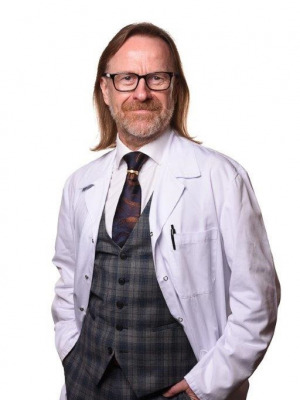
Maciej Wilczak
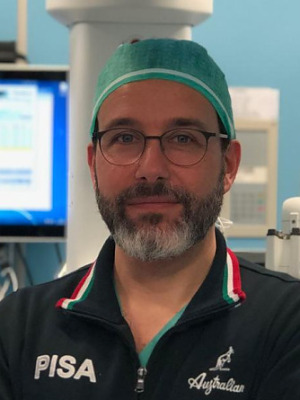
prof. Tommaso Simoncini
10:00
- 10:20
How to approach recurrent and complex pelvic organ prolapse
Lecturer
prof. Tommaso Simoncini
10:20
- 10:40
Pelvic Floor Neuromodulation - when and how to use this type of therapy - the benefits and risks of the method. Current knowledge based on EBM
Lecturer
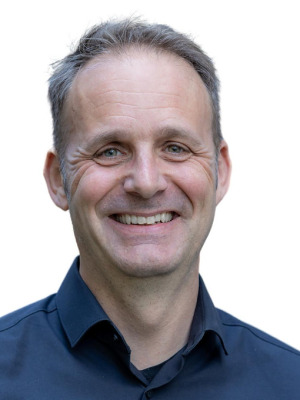
Stefan De Wachter
10:40
- 11:00
The role of uterine manipulators in laparoscopic hysterectomy - benefits and risks based on the latest EBM-based recommendations
Lecturer
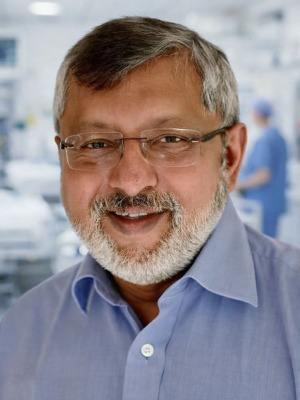
Prashant Mangeshikar
11:00
- 11:20
Comparison of laparoscopic and robotic techniques in the treatment of deep endometriosis. Therapeutic benefits and cost analysis of these procedures
Lecturer
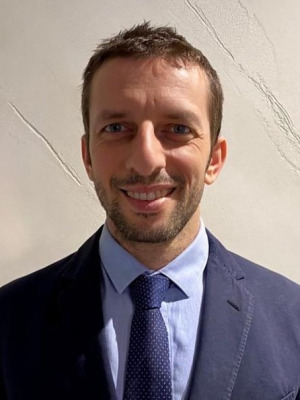
Marco D'Asta
11:20
- 11:40
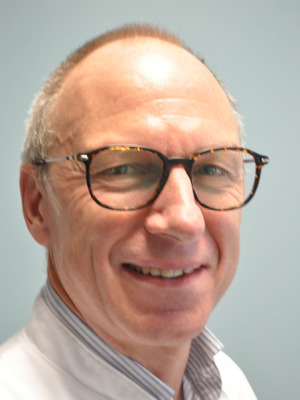
Posterior compartment surgery in the treatment of genital prolapse based on EBM
Lecturer
11:40
- 12:00
Sponsored lecture 
Mesh implants used in urogynecology
Mesh implants used in urogynecology
Lecturer
Agata Kraj
12:00
- 12:30
Coffee break
12:30
- 14:10
SESSION 2
THE PLACE OF DIAGNOSTIC AND OPERATIVE HYSTEROSCOPY IN MODERN MINIMALLY INVASIVE SURGERY.
THE PLACE OF DIAGNOSTIC AND OPERATIVE HYSTEROSCOPY IN MODERN MINIMALLY INVASIVE SURGERY.
Chairperson
Maciej Wilczak
12:30
- 12:50
Tissues removal devices: strengths and limitations in hysteroscopic myomectomy
Lecturer
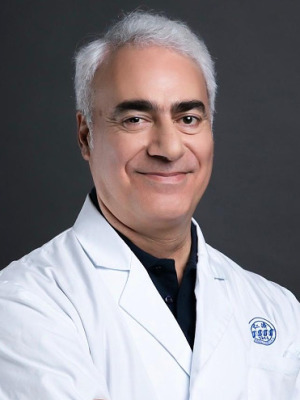
Giuseppe Bigatti
12:50
- 13:10
My technique for hysteroscopic myomectomy for G-2 and G-3 fibroids
Lecturer
prof. Ettore Cicinelli
13:10
- 13:30
Office Hysteroscopy - Paracervical Anaesthesia – Procedure and Indications
Lecturer
Maciej Wilczak
13:30
- 13:50
Is hysteroscopic assessment of the endometrium necessary in patients diagnosed with endometriosis as a cause of infertility - state of knowledge in 2026
Lecturer
dr Jaime Alfredo Claderón Tapia
13:50
- 14:10
Principles and protocol of operative hysteroscopy to prevent Intravascular Absorption Syndrome after hysteroscopy - how to safely operate "step by step" based on EBM
Lecturer
Amal Drizi
14:10
- 15:00
Lunch break
15:00
- 17:00
SESSION 3
MINIMALLY INVASIVE THERAPY FOR UTERINE FIBROIDS - WHICH METHOD IS THE MOST EFFECTIVE - CURRENT STATE OF KNOWLEDGE BASED ON EBM
MINIMALLY INVASIVE THERAPY FOR UTERINE FIBROIDS - WHICH METHOD IS THE MOST EFFECTIVE - CURRENT STATE OF KNOWLEDGE BASED ON EBM
Chairpersons
dr Sven Becker
15:00
- 15:20
Protocol and principles of preoperative management of patients before laparoscopic surgery with morcellation
Lecturer
dr Sven Becker
15:20
- 15:40
Tips & Tricks and safe maneuvers for difficult myomectomy
Lecturer
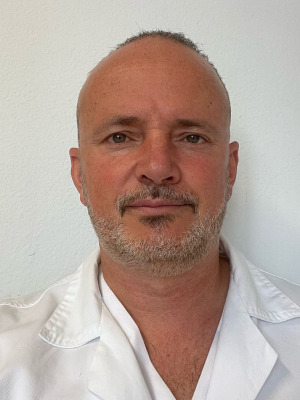
Juan Gilabert
15:40
- 16:00
Optimal techniques for suturing the uterine wound after removal of fibroids – current state of knowledge based on EBM
16:00
- 16:20
Why is it worth considering laparoscopic supracervical hysterectomy and what patients qualify for this type of surgery?
Lecturer
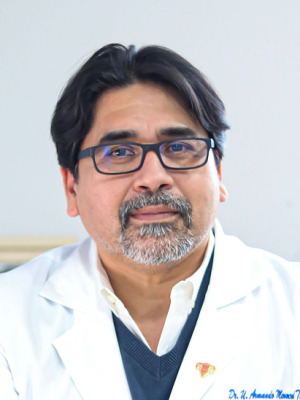
dr Armando Menocal Tavernier
16:20
- 16:40
Transvaginal Radiofrequency Ablation of Myomas - our experiences and complications
Lecturer
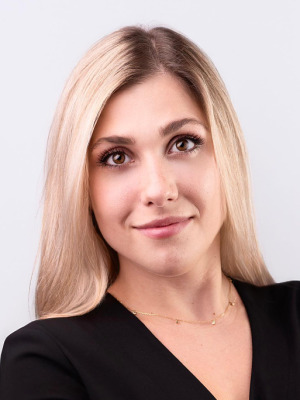
Agnieszka Lach
16:40
- 17:00
Announcement of results of poster session competition for students and junior doctors
Lecturer
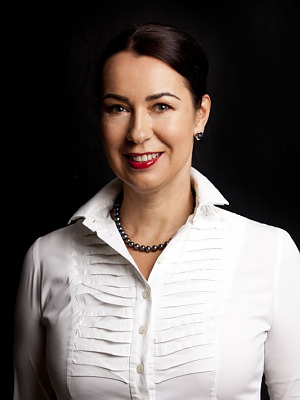
Ewa Baum
9
May
Saturday
09:00
- 10:40
SESSION 4
HORMONAL CONTRACEPTION AND MHT – A BLESSING OR A HEALTH RISK FOR MODERN WOMEN? CURRENT STATE OF KNOWLEDGE BASED ON EBM
HORMONAL CONTRACEPTION AND MHT – A BLESSING OR A HEALTH RISK FOR MODERN WOMEN? CURRENT STATE OF KNOWLEDGE BASED ON EBM
Chairpersons
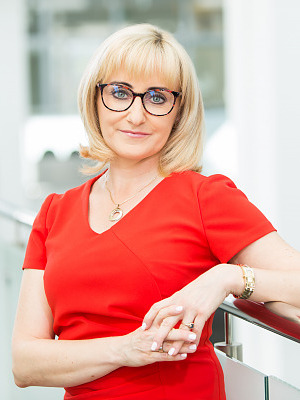
Agnieszka Drosdzol-Cop
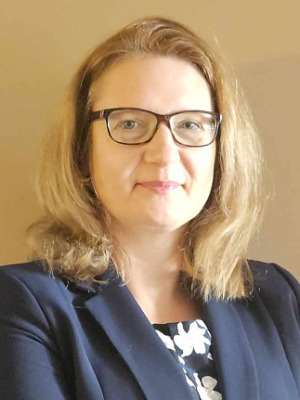
prof. Karolina Chmaj-Wierzchowska
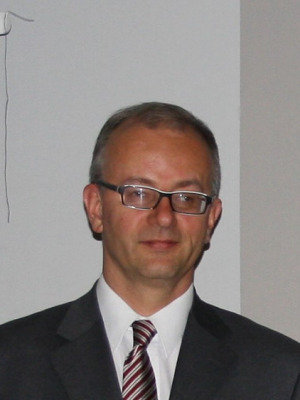
Błażej Męczekalski
09:00
- 09:20
MHT – optimal duration of therapy: when to start and discontinue treatment – optimal management protocols in 2026
Lecturer
Agnieszka Drosdzol-Cop
09:20
- 09:40
Hormonal contraception in women: a gradation of significant risks – what is the truth?
Lecturer
Błażej Męczekalski
09:40
- 10:00
Hormonal contraception during lactation – safe choices
Lecturer
prof. Karolina Chmaj-Wierzchowska
10:00
- 10:40
EXPERT RING AND DISCUSSION
Does menopausal hormone therapy increase the risk of neoplastic diseases?
Does menopausal hormone therapy increase the risk of neoplastic diseases?
10:00
- 10:20
Oncologist’s perspective
Lecturer
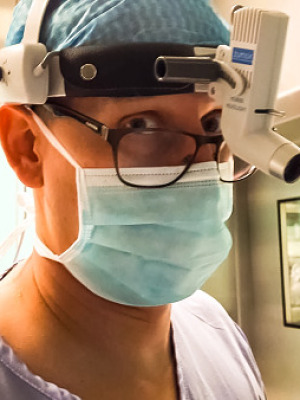
Radosław Mądry
10:20
- 10:40
Endocrinologist’s perspective
Lecturer
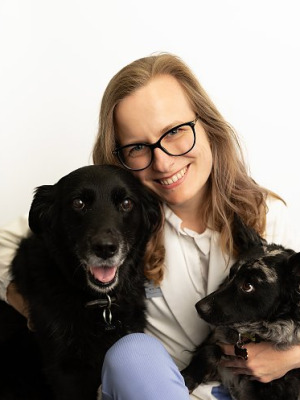
Anna Szeliga
10:40
- 11:00
Sponsored lecture 
Linzagolix – a new therapeutic option in the treatment of symptoms of uterine fibroids and endometriosis
Linzagolix – a new therapeutic option in the treatment of symptoms of uterine fibroids and endometriosis
Lecturer
Maciej Wilczak
11:00
- 11:20
Coffee break
11:20
- 12:40
SESSION 5
LABOR AND DELIVERY WARD MANAGEMENT PROTOCOLS: CURRENT CLINICAL PRACTICE
LABOR AND DELIVERY WARD MANAGEMENT PROTOCOLS: CURRENT CLINICAL PRACTICE
Chairperson
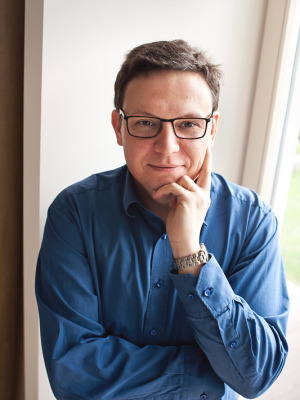
prof. dr hab. n. med. Hubert Huras
11:20
- 11:40
Most common errors and pitfalls in the diagnosis and management of peripartum hemorrhage
Lecturer
prof. dr hab. n. med. Hubert Huras
11:40
- 12:00
Postpartum hemorrhage – management algorithms as a key to success: how to intervene effectively
Lecturer
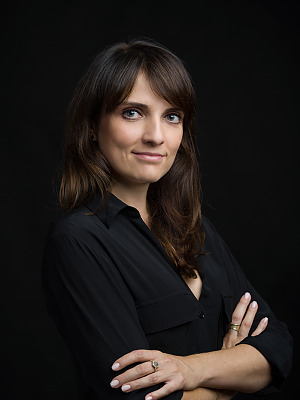
Małgorzata Radoń-Pokracka
12:00
- 12:40
EXPERT RING AND DISCUSSION
Cardiotocographic monitoring in the labor and delivery ward – assessment of fetal well-being. Is fetal hypoxia easy to diagnose?
Cardiotocographic monitoring in the labor and delivery ward – assessment of fetal well-being. Is fetal hypoxia easy to diagnose?
12:00
- 12:20
Position against
Lecturer
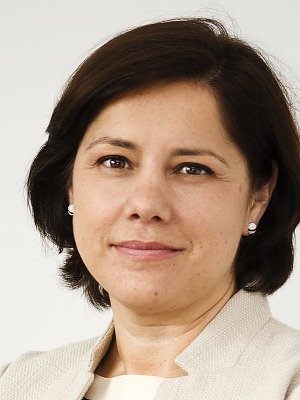
Dorota Bomba-Opoń
12:20
- 12:40
Position for
Lecturer
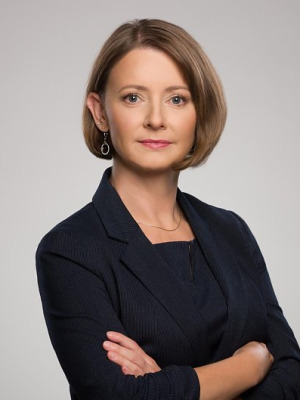
Katarzyna Kosińska-Kaczyńska
12:40
- 13:00
Closure of the conference