Introduction
Glucose and lipid metabolism involve coordinated actions of insulin, glucagon, and several other hormones to maintain overall energy homeostasis. Insulin’s main role is to facilitate glucose uptake in muscle and adipose tissue, suppress hepatic glucose production, stimulate lipogenesis, and inhibit lipolysis, whereas glucagon acts in an opposing manner, particularly during fasting or physical activity. It enhances hepatic glucose output and promotes lipid mobilization [1]. The effects of insulin and glucose on hepatic and lipogenic gene expression are mediated by transcriptional regulators such as sterol regulatory element-binding protein 1c and carbohydrate regulatory element-binding protein (ChREBP), which further integrate the control of carbohydrate and lipid metabolism [2].
Puberty is a period characterized by dynamic hormonal changes, and is associated with notable physiological differences in metabolism and insulin sensitivity in adolescents and young adults. Sexual maturation is also associated with transient insulin resistance and elevated growth hormone and sex steroid levels, which lead to increased β-cell insulin secretion. However, adolescents with obesity may experience more pronounced insulin resistance and β-cell dysfunction than young adults, due to reduced peripheral insulin sensitivity and altered insulin clearance [3]. Sex hormones such as estrogens and testosterone, whose concentrations increase during puberty, modulate insulin action and metabolic regulation, with estrogen generally improving insulin sensitivity and testosterone exerting variable effects [4].
The rising popularity of sports supplements, including creatine, carnitine, citrulline, taurine, branched-chain amino acids (BCAAs), caffeine, arginine, β-alanine, and protein formulations, among adolescents and young adults highlights the need for careful scientific evaluation. Since these supplements are commonly used for performance enhancement, the assessment of their efficacy, safety, and regulatory standards is particularly important. This is because many supplements lack strong evidence of efficacy and may carry risks of contamination or adverse effects [5], and sports supplements are often consumed by young people without adequate guidance or understanding of potential metabolic consequences. Moreover, certain sports supplements interact with metabolic pathways relevant to glucose regulation, insulin sensitivity, and lipid metabolism. The effects of these interactions in pediatric populations may be beneficial, neutral, or harmful, especially in individuals with impaired glucose tolerance, at risk for diabetes or with diabetes.
Physical activity is also a critical determinant of metabolic regulation, particularly in youth with type 1 diabetes mellitus (T1DM). It is one of the most important factors in management of T1DM in both children and adults. Evidence indicates that regular exercise improves insulin sensitivity, lipid profiles, and overall metabolic health. The European Association for the Study of Diabetes (EASD) and the American Diabetes Association (ADA) recommend regular aerobic and resistance exercise. This type of activity is associated with reduced insulin requirements, lowered cardiovascular risk, and decreased mortality in adults, as well as improved glycemic control and psychological well-being in youth [6]. According to recent longitudinal data, increased moderate physical activity and reduced sedentary behavior are linked to lower glycated hemoglobin (HbA1c) and greater metabolic stability in pediatric populations [7].
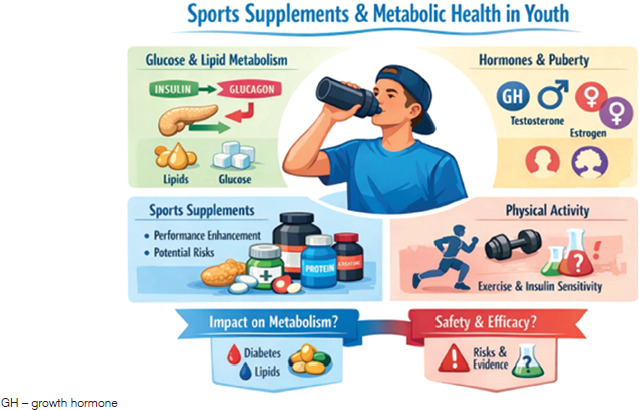
In this narrative review, we aimed to assess underlying glucose and lipid metabolism regulation and critically evaluate the metabolic impact of sports supplements in youth. In particular, this work aims to determine whether sports supplements exert measurable effects on metabolic pathways governing glucose and lipid profile regulation in adolescents and young adults and to determine whether these effects differ in individuals with impaired glucose tolerance or diabetes (Figure 1).
Material and methods
This narrative review was based on a comprehensive search of the PubMed/MEDLINE and Scopus databases for articles published up to 2025. The search included studies evaluating the effects of commonly used sports supplements on glucose metabolism, insulin sensitivity, and lipid parameters in adolescents and young adults. Where pediatric evidence was limited, data from adult populations were included and explicitly identified as such. Keywords included sports supplements, adolescents, young adults, glucose metabolism, insulin resistance, lipid profile, obesity, T1DM, and type 2 diabetes mellitus (T2DM), as well as specific supplement names. Combinations of keywords were applied using Boolean operators to refine the search. The search strategy prioritized pediatric and adolescent populations but included adult studies when pediatric data were limited. Studies were screened based on titles and abstracts, and full texts were reviewed to determine relevance to glucose and lipid metabolism and the effects of sports supplementation.
We considered controlled trials, observational studies, meta-analyses, systematic reviews, and relevant experimental studies published in English. Due to the high diversity in study designs, populations, and outcome measures, results were synthesized narratively, focusing on pediatric and adolescent populations, baseline metabolic status, and the interaction between supplementation and physical activity. As this study was based solely on published data, ethical approval was not required. Table I presents the key concepts included in the literature search.
Table I
Key concepts and variables included in the literature search
Results
Regulation of glucose and lipids
The regulation of glucose and lipid metabolism is controlled by the coordinated actions of several hormones, as well as transcriptional and cellular mechanisms. Insulin is the primary hormone that regulates glucose uptake and storage after a meal. It promotes utilization of glucose in skeletal muscle and inhibits hepatic glucose production. During fasting, hormones such as glucagon, cortisol, and growth hormone not only increase hepatic glucose secretion, but also shift the utilization of energy substrates toward non-esterified fatty acids (NEFA) via lipolysis in adipose tissue [8, 9].
Transcriptional regulation is mediated by factors such as peroxisome proliferator-activated receptors, which respond to fatty acids, and ChREBP, which is activated by glucose-derived metabolites. These transcription factors guide gene expression programs that modulate metabolic homeostasis, including lipogenesis, fatty acid oxidation, and glucose utilization [10]. The liver integrates signals from insulin and glucagon to balance gluconeogenesis, glycogenolysis, glycolysis, and lipogenesis, adapting to feeding and fasting states. Dysregulation of these pathways, as seen in obesity and T2DM, leads to increased hepatic glucose and lipid synthesis, contributing to hyperglycemia and hypertriglyceridemia [10].
Adipose tissue also plays a central role, with adipocytes regulating energy storage and mobilization. Adipocyte dysfunction, characterized by impaired lipid storage and altered adipokine secretion, promotes systemic insulin resistance and ectopic lipid accumulation in non-adipose tissues [11].
Glucose and lipid monitoring
The EASD, the ADA, and the International Diabetes Federation recommend using HbA1c for long-term glycemic control in patients with diabetes, as it reflects average glucose over 2–3 months. While fasting plasma glucose (FPG) and the oral glucose tolerance test are used for diagnosis and periodic assessment, self-monitoring of blood glucose and continuous glucose monitoring (CGM) provide real-time data, especially in insulin-treated patients. CGM metrics, such as time-in-range and glucose variability, are becoming standard in clinical practice [12].
For lipid monitoring, a lipid panel including total cholesterol, low-density lipoprotein (LDL) cholesterol, high-density lipoprotein (HDL) cholesterol, triglycerides, non-HDL cholesterol, and apolipoprotein B (apoB) is recommended. Lipoprotein(a) may be measured in selected high-risk patients, and both non-HDL cholesterol and apoB are increasingly recognized as superior markers for cardiovascular risk and treatment monitoring [13].
For the assessment of metabolism, additional markers include fasting insulin, C-peptide, Homeostasis Model Assessment of Insulin Resistance (HOMA-IR), Homeostasis Model Assessment of β-cell function, and the triglyceride-glucose index. These markers help characterize insulin resistance and β-cell function and identify patients at increased risk of complications such as non-alcoholic fatty liver disease and atherosclerotic vascular disease [14]. Routine laboratory evaluation in obesity and metabolic syndrome also includes waist circumference, blood pressure, and assessment for comorbidities. The interaction between glucose and lipid parameters is clinically relevant, as higher fasting glucose is associated with higher triglycerides and lower HDL cholesterol [15].
Reasons for the routine use of sports supplements
Sports and dietary supplements are widely used because of their perceived and evidence-based benefits. The most commonly reported reasons for use are to improve overall health, maintain health, enhance sports performance, increase energy, support immune function, and address perceived dietary deficiencies. In the general population, motivations are primarily health-related, with improving or maintaining health being the leading reasons, while only a minority use supplements based on healthcare provider recommendations [16].
In sports, especially among young people and athletes, dietary supplements are widely used with the intent to enhance performance, accelerate recovery, increase muscle mass, and improve physical appearance. Young athletes are particularly motivated by the desire for competitive advantage, faster recovery, and muscle development. These motivations are often shaped by peer influence, coaches, trainers, and aggressive marketing, rather than evidence-based guidance [17].
The impact of sports supplements on metabolism
Given the central involvement of metabolic pathways, various dietary supplements commonly used by adolescents and young adults may influence glucose and lipid regulation and exert metabolic effects that can be either beneficial or adverse. In this context, it is important to highlight some of the most frequently used sports supplements among youth and young adults including taurine, BCAAs, caffeine, creatine, citrulline, carnitine, whey protein, glycine, arginine, and β-alanine. In the following section, their potential impact on metabolic processes will be described in detail. However, it should be emphasized that for many supplements, most available evidence regarding metabolic effects is derived from adult populations, and its applicability to pediatric populations remains uncertain.
Creatine, carnitine, and citrulline
Creatine, carnitine, and citrulline are ergogenic supplements widely used among adolescents and young adults, primarily to enhance physical performance. Most evidence on creatine’s metabolic effects comes from adult studies. Their potential metabolic effects in youth are increasingly studied. Creatine, the most widely used supplement, plays a central role in adenosine triphosphate (ATP) regeneration and muscle energy metabolism. In pediatric populations, creatine supplementation is associated with improved muscle mass, strength, and exercise performance, and is generally well tolerated at recommended doses (3–5 g/day or 0.1 g/kg/day) [18].
Creatine increases muscle phosphocreatine stores, facilitates rapid ATP resynthesis during exercise and may enhance muscle glucose uptake through increased glucose transporter type 4 translocation, as shown in adult studies. In combination with exercise training, creatine has been associated with improvements in glycemic control and insulin sensitivity in both healthy and insulin-resistant individuals [19]. Some experimental studies indicate that creatine activates activated protein kinase, increases glucose oxidation, and reduces lactate accumulation, while other findings suggest that in young adults it may transiently stimulate insulin secretion and increase muscle glycogen stores [18]. However, concerns have been raised that prolonged supplementation could alter pancreatic insulin secretion and glucose homeostasis, underscoring the need for caution in pediatric use. Direct evidence of improvements in glucose regulation or lipid metabolism in youth remains limited, and most metabolic insights are extrapolated from adult or animal studies [18–19]. Observational data show that higher dietary creatine intake correlates with greater height and body mass index in children, though causality remains unproven [20]. The American Academy of Pediatrics Council on Sports Medicine and Fitness states that creatine appears to be safe for short-term use in adolescents but also emphasizes the limited availability of metabolic data [21].
Carnitine, a key compound in mitochondrial fatty-acid transport and β-oxidation, has been extensively studied in adults. Meta-analyses report that L-carnitine supplementation (0.75–3 g/day) can significantly improve metabolic parameters, including fasting glucose, insulin, HOMA-IR, triglycerides, total cholesterol, LDL cholesterol, and alanine aminotransferase (ALT), with effects proportional to the administered dose [22]. In adults with T2DM, carnitine increases skeletal muscle acetylcarnitine concentrations, improves insulin sensitivity, and tends to lower intrahepatic lipid content and FPG. Collectively, these findings suggest that carnitine may contribute to improved metabolic flexibility, enhanced fatty-acid oxidation, and stabilization of glucose homeostasis, particularly during exercise or other metabolic stressors. However, these findings are based predominantly on adult populations. Evidence in pediatric populations remains limited, and it is still unclear to what extent these benefits apply to adolescents [23].
Citrulline acts as a precursor for arginine and nitric oxide synthesis, contributing to improved endothelial function, vasodilation, and exercise performance. In obese adults with metabolic dysfunction-associated steatotic liver disease (MASLD), L-citrulline supplementation (3 g/day) combined with high-intensity interval training for 12 weeks was associated with improved non-HDL cholesterol, very-low-density lipoprotein cholesterol, triglycerides, and cardiorespiratory health, while citrulline alone was associated with reduced hepatic steatosis [24].
Studies suggest that citrulline may enhance insulin secretion, increase skeletal muscle glucose uptake, stimulate lipolysis and β-oxidation, and reduce glycogenoneogenesis in adipose tissue, resulting in antihyperglycemic and antidyslipidemic effects [25]. The American Academy of Pediatrics Council on Sports Medicine and Fitness notes that citrulline may support vascular and metabolic health but emphasizes that evidence in healthy youth is limited, and supplementation should be considered investigational [21].
Taurine
Taurine, an amino acid used as a sports supplement, has been implicated in glucose and lipid metabolism, blood pressure regulation, and mitochondrial health. In adults, meta-analyses of randomized controlled trials indicate that taurine supplementation (1.5–3 g/day for ≥ 8 weeks) may produce modest but statistically significant reductions in systolic and diastolic blood pressure, total cholesterol, and triglycerides. These effects are most pronounced in individuals with obesity or metabolic dysregulation. Higher doses of taurine (3 g/day) further improve HbA1c and FPG, particularly in obese subgroups. Taurine has been associated with reduced fasting insulin and HOMA-IR, indicating improved insulin sensitivity. It may also exert anti-inflammatory and antioxidant effects, reflected in reduced C-reactive protein and malondialdehyde levels (a biomarker of oxidative stress). Meta-analysis data suggest that taurine supplementation may improve several cardiometabolic risk factors and therefore has potential relevance for cardiometabolic disease prevention [26].
In Japan, taurine was first approved as a treatment for patients with heart failure. Some accumulating studies have suggested that taurine can protect against pathologies, including mitochondrial diseases, neurological disorders, cardiovascular diseases, cancer and even aging. Taurine may support mitochondrial function and protect against oxidative stress, potentially contributing to its cardiometabolic benefits [27].
Referring to pediatric populations, clinical trial data are limited, with only one published study in children with obesity and fatty liver disease. The study reported that oral taurine supplementation improves hepatic imaging and serum ALT levels, with no significant adverse events in a small cohort [28].
In preclinical studies on mice, taurine treatment led to reduced body weight and abdominal fat, suggesting potential anti-obesity effects. However, it was also associated with hepatic lipid accumulation and steatosis. In taurine-treated mice, serum levels of ALT, alkaline phosphatase, cholesterol, NEFA, total bile acids, and hepatic triglycerides were significantly elevated. The study cautions that chronic high-dose taurine may induce hepatic steatosis and disrupt bile acid homeostasis, highlighting the need for careful monitoring in long-term use [29].
Taurine occurs naturally in breast milk. Research indicates that it plays a key role in liver function, intestinal fat absorption and auditory and visual development. Some data suggest that taurine deficiency during the neonatal period may be associated with negative long-term neurodevelopmental outcomes in preterm infants [30].
Safety data in adults indicate good tolerability at doses up to 3 g/day for 8–12 weeks, with no serious adverse events reported [26]. With respect to pediatric populations, available data suggest a favorable safety profile in short-term studies, but long-term safety data remain lacking [30].
Caffeine
Caffeine is a common, widely consumed bioactive compound that is present in sports supplements, energy drinks, and various beverages, with high consumption among adolescents and young adults. Its primary mechanism of action is central nervous system stimulation via adenosine receptor antagonism, resulting in increased alertness, reduced fatigue, and enhanced catecholamine release [31].
Regarding glucose metabolism, randomized trials in adolescents and young adults have suggested that short-term caffeine administration impairs insulin sensitivity and glucose disposal. Moreover, in adolescents, consumption of caffeine-containing energy shots (5 mg/kg) acutely increases postprandial glucose and insulin responses, leading to transient insulin resistance [32]. Nonetheless, large cross-sectional analyses show no association between habitual caffeine intake and chronic insulin resistance or increased risk of T2DM in adolescents [33, 34]. This observation may reflect the development of tolerance to caffeine-induced reductions in insulin sensitivity or the influence of other bioactive compounds present in coffee.
Furthermore, acute caffeine intake increases basal metabolic rate and food-induced thermogenesis, with repeated dosing leading to modest increases in 24-hour energy expenditure. As a result, these effects may contribute to reduced long-term weight gain [34]. Importantly, recent evidence indicates that caffeine intake is not associated with dyslipidemia in adolescents, whereas in adult populations caffeine may increase the risk of acute blood pressure elevation and dyslipidemia [33].
In parallel, caffeine supplementation (1–6 mg/kg) is associated with modest improvements in endurance, muscular strength, and time to exhaustion in youth, though most evidence is extrapolated from adult studies [21]. Nevertheless, routine use in adolescents is discouraged due to risks of cardiac arrhythmias, hypertension, sleep disruption, and toxicity, particularly with energy drinks and pure powdered caffeine. Notably, emergency department visits and fatalities have been reported in this age group following excessive intake. Thus, while acute metabolic effects are documented in youth, conclusions regarding chronic exposure should be interpreted with caution [21].
BCAA
BCAAs are among the most popular sports supplements. BCAAs refer to three essential amino acids – leucine, isoleucine, and valine – that play a key role in muscle protein synthesis and energy production during exercise. In gym and sports settings, BCAAs are widely used with the aim of reducing muscle soreness, attenuating exercise-induced muscle damage, and supporting recovery, particularly after high-intensity or prolonged exercise [35]. Metabolomic profiling reveals that BCAA (leucine, isoleucine, and valine) levels are elevated in overweight children without apparent metabolic disease, and these changes precede clinical manifestations of insulin resistance and dysglycemia [36]. Longitudinal studies confirm that higher BCAA and α-hydroxybutyrate levels can predict deterioration of glycemic control and worsening insulin sensitivity over time in adolescents [37]. Proposed mechanisms linking elevated BCAA levels to metabolic dysfunction include activation of the mechanistic target of rapamycin complex 1 pathway, promotion of mitochondrial dysfunction, and induction of pancreatic β-cell stress [38].
Conversely, in healthy adolescents, higher BCAA levels may correlate with better β-cell function relative to insulin sensitivity, which suggests that the impact of BCAAs may vary by meta-bolic state, sex, and pubertal development. In contrast, in adolescents with obesity or dysglycemia, higher BCAA levels serve as a biomarker of impaired β-cell function. For example, adolescent females with youth-onset T2DM exhibit more pronounced BCAA elevations and altered of tryptophan metabolism [39].
Intervention studies indicate that lifestyle modification can reduce BCAA concentrations and improve metabolic profiles, but dietary BCAA restriction has shown only modest effects in short-term human studies. The overall evidence supports the use of BCAAs as early biomarkers for risk stratification and individualized intervention in pediatric obesity, insulin resistance, T2DM, and cardiovascular disease [40].
Whey protein
Whey protein is a supplement widely used among young athletes, but when dietary protein intake is adequate, it does not provide additional benefits for performance or metabolic health. Randomized trials and systematic reviews have shown that supplementation does not improve body composition, muscle mass, or glycemic control in healthy children and adolescents, who already meet protein requirements through their diet [21, 40].
In adults, whey protein exerts an insulinotropic effect, stimulating insulin secretion from pancreatic β-cells and incretin hormone secretion, including glucagon-like peptide-1 from intestinal L-cells and glucose-dependent insulinotropic polypeptide from K-cells, which can lower postprandial glucose concentrations. Proposed mechanisms include delayed gastric emptying and enhanced insulin response, leading to reduced postprandial glycemic excursions [41]. These effects are reported to be more pronounced in individuals with impaired glucose tolerance or T2DM, whereas in healthy youth, evidence for an impact on long-term metabolic outcomes is limited [41].
Importantly, there is a recognized risk of contamination in commercially available whey protein supplements, including the presence of harmful substances, toxins, or undeclared pharmaceuticals, especially in products without independent quality verification. Chronic excessive intake may also have adverse effects on kidney and liver function [42].
Arginine
The potential metabolic effects of arginine are attributed to enhanced nitric oxide production, which may improve endothelial function and insulin sensitivity [43]. Arginine acts as a precursor for nitric oxide, which is involved in vascular and metabolic regulation. In the context of glucose metabolism, long-term oral L-arginine (6.4 g/day for 18 months) in adult individuals with impaired glucose tolerance and metabolic syndrome increased the probability of regression to normal glucose tolerance and improved insulin sensitivity and β-cell function, but did not significantly reduce the incidence of diabetes during the intervention period. However, a reduction in diabetes incidence was observed during extended follow-up after discontinuation of supplementation [44]. In prediabetic adults, L-arginine (9 g/day for 6 weeks) improved glucose tolerance and reduced insulin response in men of European descent, but not in South Asian men, indicating possible ethnic differences in response [45].
The American Academy of Pediatrics Council on Sports Medicine and Fitness states that any potential benefit of arginine supplementation is minimal in healthy young athletes who consume adequate dietary protein, and there is no robust evidence supporting improvements in metabolic or lipid parameters in this population [21].
Acute arginine supplementation in healthy young men can transiently increase serum growth hormone and glucose levels [46]. Meta-analyses in adults indicate that arginine supplementation does not significantly alter total cholesterol, LDL, or HDL, but may slightly reduce triglyceride levels. However, these findings are derived from adult populations, and cannot be readily extrapolated to adolescents [47].
β-alanine
β-alanine supplementation does not appear to exert a clinically significant impact on metabolism, glucose control, or lipid profile in adolescents and young adults. The primary physiological effect of β-alanine is to increase intramuscular carnosine, which enhances buffering capacity and improves performance in high-intensity exercise. In healthy, active individuals, carnosine does not alter fasting glucose, insulin sensitivity, or lipid parameters [48].
Some meta-analyses and systematic reviews show that β-alanine supplementation (typically 4–6 g/day for 4–8 weeks) is safe, with paresthesia as the main side effect. There is no evidence of significant changes in body composition, fat mass, or fat-free mass during supplementation of β-alanine [48–50]. Studies in athletes and young adults consistently report no meaningful changes in circulating metabolic biomarkers, including glucose and lipids, following supplementation [48, 49]. In overweight and obese adults, sustained-release β-alanine was well tolerated but did not affect cardiometabolic outcomes, suggesting limited utility for metabolic modulation even in higher-risk groups. These conclusions are primarily based on studies conducted in adults and young athletes, with limited pediatric-specific data [51].
Physical activity in diabetes
Physical activity is a cornerstone in the management of a variety of metabolic diseases. When performed regularly, it enhances insulin sensitivity, lowers HbA1c, improves lipid profiles, and reduces cardiovascular risk factors in both healthy and diabetic populations [52, 53]. At least 60 minutes of moderate-to-vigorous aerobic activity is recommended daily, plus muscle- and bone-strengthening activities at least 3 days per week for youth, including those with T1DM and T2DM [52].
One of the key benefits of regular movement is the increase in muscle glucose uptake via insulin-independent pathways. In addition, it enhances insulin action for up to 48 hours postexercise. These effects are more pronounced in those with higher baseline insulin resistance [53]. For youth with T1DM, greater engagement in exercise is associated with lower HbA1c and improved health-related quality of life, but requires careful glucose monitoring to prevent hypoglycemia and manage hyperglycemia risk [52]. For young people with T2DM, staying active can help manage weight and improve metabolic health. Although there is limited evidence from randomized trials, experts recommend the same activity goals as for healthy youth [53].
Based on the established recommendations, recent clinical data suggest that consistent exercise training improves insulin sensitivity and reduces fasting insulin, glucose, and HOMA-IR, while also positively influencing lipid profiles in youth with overweight, obesity and T2DM [54, 55]. Meta-analyses tend to show that both aerobic and resistance training, performed at least two to three times per week, are effective in reducing triglycerides and LDL cholesterol, while increasing HDL cholesterol in adolescents with excess weight. The magnitude of improvement is dose-dependent, with higher exercise volumes yielding greater reductions in insulin resistance markers [55]. However, responses vary, and not all individuals with diabetes experience significant changes in total cholesterol, LDL cholesterol, or triglycerides [54].
Moreover, longitudinal studies suggest that regular exercise may help attenuate the mid-adolescent peak in insulin resistance, though this effect may diminish by late adolescence, suggesting the importance of sustained activity throughout youth [56]
Sports supplements in T1DM
T1DM is associated with an absolute deficiency of insulin resulting from autoimmune destruction of pancreatic β-cells. This process is mediated by autoantibodies. Examples include islet cell autoantibodies, glutamic acid decarboxylase 65 antibodies and insulin autoantibodies. Other autoimmune markers present in T1DM include zinc transporter 8 autoantibodies, insulinoma-associated antigen-2 antibodies and insulinoma-associated antigen-2β (phogrin) antibodies. In 2021, it was estimated that around 8.4 million people worldwide were living with T1DM, and this number was predicted to increase in the coming years. In this disease, nutritional management is especially challenging. Physical activity has been shown to improve diabetes treatment and glycemic control [57].
Athletes often use BCAA-rich supplements due to their proposed functions. Common positive effects of BCAA include more rapid muscle growth, increased endurance, and reduced adipose tissue. However, conclusions from one publication focusing on the impact of BCAA on the anabolic response and stimulation of muscle protein synthesis did not confirm a beneficial effect of supplementation. BCAA supplementation has not been shown to have a clinically meaningful impact on glycemic control in T1DM. It is worth noting that BCAA and whey protein supplements contain not only proteins but also simple carbohydrates and saturated fatty acids, which may affect glycemic control in T1DM. An important consideration when using protein supplementation is ensuring that protein intake is appropriately matched to training volume and individual metabolic demands. Excessive protein intake beyond physiological requirements does not necessarily result in additional gains in muscle mass and may contribute to excess energy intake. Amino acids can be utilized for gluconeogenesis, and under conditions of sustained energy surplus, excess energy may be stored as adipose tissue [58].
Whey protein can increase postprandial glucose levels in T1DM due to stimulation of glucagon secretion and increased gluconeogenesis, particularly in the absence of endogenous insulin. The extent of this effect depends on the rate of absorption and protein composition and may require adjustment of insulin dosing to maintain glycemic control [59]. Creatine supplementation has not demonstrated consistent hypoglycemic effects in humans with T1DM. However, the combination of creatinine and exercise may improve glucose metabolism [60].
In contrast, caffeine intake before exercise may attenuate exercise-induced hypoglycemia and increase hypoglycemia awareness, but regular use can affect sleep quality and has not been shown to improve glycemic control in T1DM [6]. For carnitine, citrulline, arginine, β-alanine and taurine there is no robust evidence in medical literature supporting a direct effect on glycemic control in individuals with T1DM. Given the limited evidence base and the variability in the quality and composition of commercially available dietary supplements, regular use should be discussed with a physician or a qualified dietitian. Moreover, unlike medicinal products, dietary supplements are generally not subject to the same level of evaluation for efficacy, safety, and composition [58].
Effects of excessive supplementation
Excessive supplementation of sports supplements can lead to a range of adverse effects, which vary by compound. A common mistake when using protein supplements is failing to adjust protein intake to the level of physical activity and overall energy requirements. Excessive protein intake may contribute to excess energy intake; amino acids can be utilized for gluconeogenesis, and under conditions of energy surplus, excess energy may be stored as adipose tissue. Excessive protein intake may lead to increased urination which, when combined with intensive physical exercise, may cause dehydration and bone decalcification due to increased urinary calcium excretion. It also carries a higher risk of gout and kidney stones and may cause accumulation of gas in the intestines. Attention should also be paid to the salt content, which can be significant in some sports supplements such as whey protein. Sports supplements can also contain sweeteners, dyes, and aromas, which can have a negative impact on the human body. Examples include artificial sweeteners such as acesulfame-K, aspartame, and sucralose, which can trigger neurological and carcinogenic effects [58].
BCAAs, when consumed in excess, can disrupt amino acid balance, increase ammonia production, and potentially impair renal and gastrointestinal function. High intake may also compete with other amino acids for transport and metabolism, leading to imbalances and possible neurotoxicity [61].
Regarding creatine, numerous studies have focused on the analysis of its inappropriate consumption and its effects on the human body. Studies have shown that excessive consumption of creatine for periods of several months may lead to kidney and liver complications [58]. Renal and hepatic dysfunction may occur especially in individuals with pre-existing kidney disease, though well-controlled studies in healthy adults have not shown significant renal or hepatic complications. Creatine intake in doses higher than recommended may also cause gastrointestinal discomfort, muscle cramps, and weight gain [62]. Intake in larger doses or over prolonged periods leads to kidney and liver complications [58].
Excessive caffeine intake is associated with cardiac arrhythmias, hypertension, tremor, headaches, and sleep disruption and may lead to toxicity requiring emergency care. Caffeine in pure powder form has also been linked to fatalities [63]. Data on the toxicity of taurine are limited. It may affect blood pressure and electrolyte balance. Carnitine overconsumption may result in gastrointestinal symptoms and, rarely, a fishy body odor due to trimethylamine production [62]. Arginine and citrulline in high doses may cause diarrhea and imbalance in nitric oxide metabolism. Excessive arginine can also lead to hypotension and electrolyte disturbances. Excessive β-alanine intake can cause paresthesia [61]. Table II summarizes the main effects on glycemic control and lipid profile, while Table III outlines the adverse effects of excessive intake.
Table II
Summary of analyzed metabolic effects of sports supplements
[i] ALT – alanine aminotransferase; BCAA – branched-chain amino acids; FPG – fasting plasma glucose; GLUT-4 – glucose transporter type 4; HDL – high-density lipoprotein; HOMA-IR – Homeostasis Model Assessment of Insulin Resistance; LDL – low-density lipoprotein; RCT – randomized controlled trial; TG – triglycerides; ↑ indicates an increase; ↓ indicates a decrease
Table III
Summary of adverse effects of excessive intake of analyzed sports supplements
Summary
Among the reviewed supplements, taurine, carnitine, and citrulline showed the most consistent associations with favorable metabolic effects, particularly in individuals with obesity, insulin resistance, or metabolic dysfunction. However, evidence in pediatric populations is limited and mostly extrapolated from adult studies. Taurine supplementation was associated with modest but significant reductions in fasting glucose, HbA1c, triglycerides, total cholesterol, blood pressure, and markers of insulin resistance in adult populations, with only limited and preliminary but promising evidence in pediatric cohorts. Similarly, L-carnitine supplementation has been associated with improvements in fasting glucose, insulin sensitivity (HOMA-IR), lipid parameters, and liver enzymes in adults, though pediatric-specific data remain limited. Citrulline supplementation, especially when combined with structured training, was associated with reductions in triglycerides, non-HDL cholesterol, and hepatic steatosis in adolescents with obesity or MASLD, but the sample size was small, and long-term data are lacking.
In contrast, BCAAs were consistently associated with adverse metabolic signatures. Elevated circulating BCAA levels predicted worsening insulin resistance and glycemic control in adolescents and preceded the development of dysglycemia, particularly in youth with obesity. These findings support the role of BCAAs as early biomarkers of metabolic risk rather than beneficial supplements for metabolic health. Although supported by pediatric observational data, mechanistic explanations are often extrapolated from adult studies.
Regarding creatine, supplementation appeared metabolically neutral to mildly beneficial when combined with exercise, potentially enhancing skeletal muscle glucose uptake and insulin sensitivity. However, direct evidence for improvements in glucose or lipid metabolism in adolescents remains limited, and most findings are extrapolated from adult or experimental studies. Whey protein supplementation did not provide additional metabolic benefits in healthy adolescents who met dietary protein requirements. While whey protein acutely reduced postprandial glucose excursions via insulinotropic effects, no long-term improvements in glycemic control or lipid profile were observed in healthy youth.
Caffeine exhibited dose-dependent metabolic effects. Acute caffeine intake transiently impaired insulin sensitivity and increased postprandial glucose and insulin levels, whereas habitual consumption was not associated with chronic insulin resistance or dyslipidemia in adolescents. Safety concerns related to cardiovascular and neurobehavioral effects limit its routine use in this population. Evidence regarding chronic metabolic outcomes in adolescents is limited. Arginine and β-alanine supplementation showed minimal or no clinically relevant effects on glucose or lipid metabolism in adolescents and young adults, and current evidence does not support their routine use for metabolic modulation in healthy youth.
Regarding physical exercise, both aerobic and resistance training were effective, with greater benefits observed at higher training volumes and with sustained participation. In adolescents with obesity or T2DM, it remained an important modifier of metabolic outcomes, particularly in adolescents with obesity or T2DM, where it supported improvements in insulin sensitivity and cardiovascular risk markers.
Limitations
This narrative review has several limitations that should be acknowledged when interpreting the findings. First of all, part of the cited evidence is derived from studies conducted in adult populations, while strictly pediatric data remain limited. Furthermore, the scarcity of pediatric-specific evidence represents a significant gap in the literature. Existing studies in pediatric populations are often characterized by small sample sizes, short intervention durations and heterogeneity in study design. It precludes firm conclusions regarding long-term efficacy and safety. Finally, where evidence is based primarily on adult populations, statements regarding metabolic effects in youth remain speculative. Future research should prioritize well-designed, longitudinal studies in pediatric and adolescent populations to better define the efficacy, safety, and metabolic impact of sports supplements in this age group.
Conclusions
To conclude, analysis of the available literature suggests that sports supplements, commonly used by adolescents and young adults, may exert heterogeneous effects on glucose metabolism, insulin sensitivity, and lipid profile regulation.
Across all reviewed studies, regular exercise appears to be the most consistent and robust modifier of glucose and lipid metabolism in adolescents and young adults, including those with T1DM and T2DM. Physical exercise has been shown to improve insulin sensitivity, reduce fasting insulin and HOMA-IR, lower HbA1c, and favorably influence lipid profiles, particularly triglycerides and HDL cholesterol. Importantly, the metabolic effects of several supplements seem to be more pronounced when combined with structured exercise, highlighting a potential synergistic role of physical activity in metabolic regulation.
However, excessive supplementation may be associated with adverse effects and an unfavorable risk-benefit ratio. Therefore, careful dosing and monitoring of sports supplements are recommended, especially in populations with underlying medical conditions such as diabetes or renal disease. Definitive conclusions for pediatric populations remain limited due to scarce data and a lack of long-term evidence. Therefore, further studies are warranted to better understand the metabolic impact of commonly used sports supplements.