
Pediatric mitral valve replacement (MVR) in acute endocarditis remains one of the most challenging procedures in congenital cardiac surgery. Repair is often not feasible in children with severe regurgitation due to damaged leaflets, dysplasia, or subvalvular destruction due to infection. Mechanical prostheses, despite the lack of small-sized implants, provide excellent durability, but require lifelong anticoagulation, which is usually problematic in infants due to unstable international normalized ratio (INR) and high bleeding risk. Bioprostheses, while avoiding anticoagulation, typically undergo rapid structural degeneration under systemic pressures, often necessitating early reintervention. Clinical experience with acellular matrix used for valvular prostheses is still poorly reported.
The Melody valve, originally designed for transcatheter implantation in dysfunctional right ventricular outflow tracts, has been adopted off-label for mitral valve replacement in small children, including infants. Its small size, availability, and capacity for balloon expansion make it an attractive “bridge-to-mechanical” option. Published series, however, usually report survival of 2–4 years before degeneration occurs. Reports of longer durability are rare [1–5].
We present a child in whom the Melody valve implanted in the mitral position remained functional for more than 8 years, enabling safe elective replacement with a mechanical prosthesis.
A girl born in 2014 presented at 2 years of age with sepsis due to infective endocarditis involving the mitral valve. Initially, the girl developed severe cardiopulmonary failure with acute mitral regurgitation and multi-organ dysfunction, requiring treatment in intensive care with mechanical ventilation and significant inotropic support (Figure 1).
Figure 1
Echocardiographic view of the Melody valve in the mitral position prior to prosthesis replacement
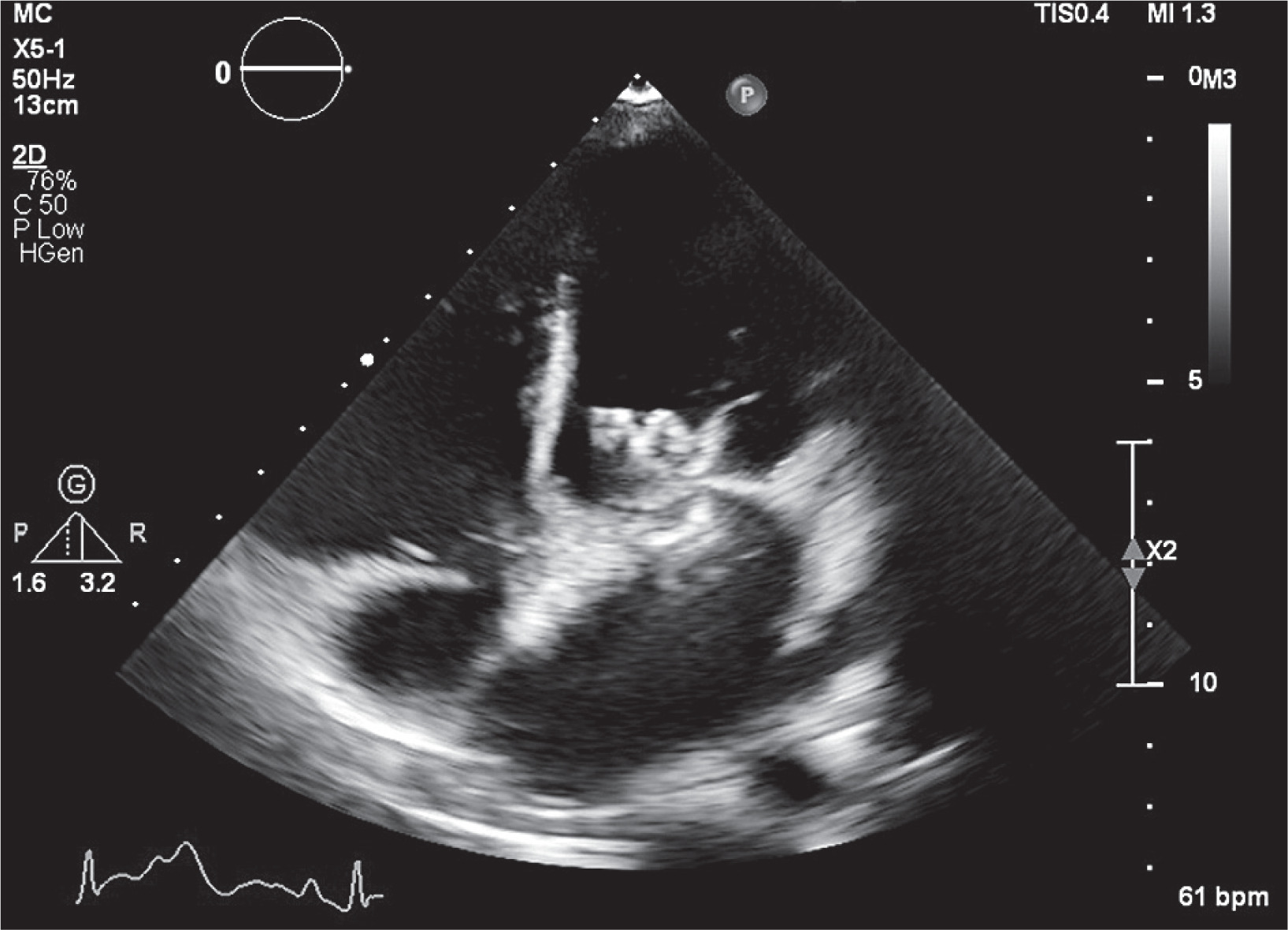
On December 19, 2016, she underwent emergency hybrid implantation of a Melody TPV 22 mm in the mitral position.
The valve was prepared for surgical implantation with a Gore-Tex collar sewn to the valvular stent and partial excision of metal strips to prevent left ventricle tract obstruction phenomenon. The implantation was performed with four semi-continuous monofilament sutures in a routine fashion. Finally, the valve was expanded with a pressure balloon to 18 mm and anchored to the head of the posterior papillary muscle.
The procedure was uncomplicated. Postoperative management required inotropic support and prolonged ventilation until successful extubation on the third postoperative day.
The girl remained under outpatient follow-up with oral aspirin therapy; no other cardiovascular medication was administered. Follow-up echocardiograms showed low mitral gradients with good function of the mitral Melody valve for 8 years (Figures 2, 3, Table I).
Figure 2
Long-term hemodynamic course of a mitral Melody valve from implantation (December 19, 2016) to elective mechanical valve replacement (July 21, 2025)
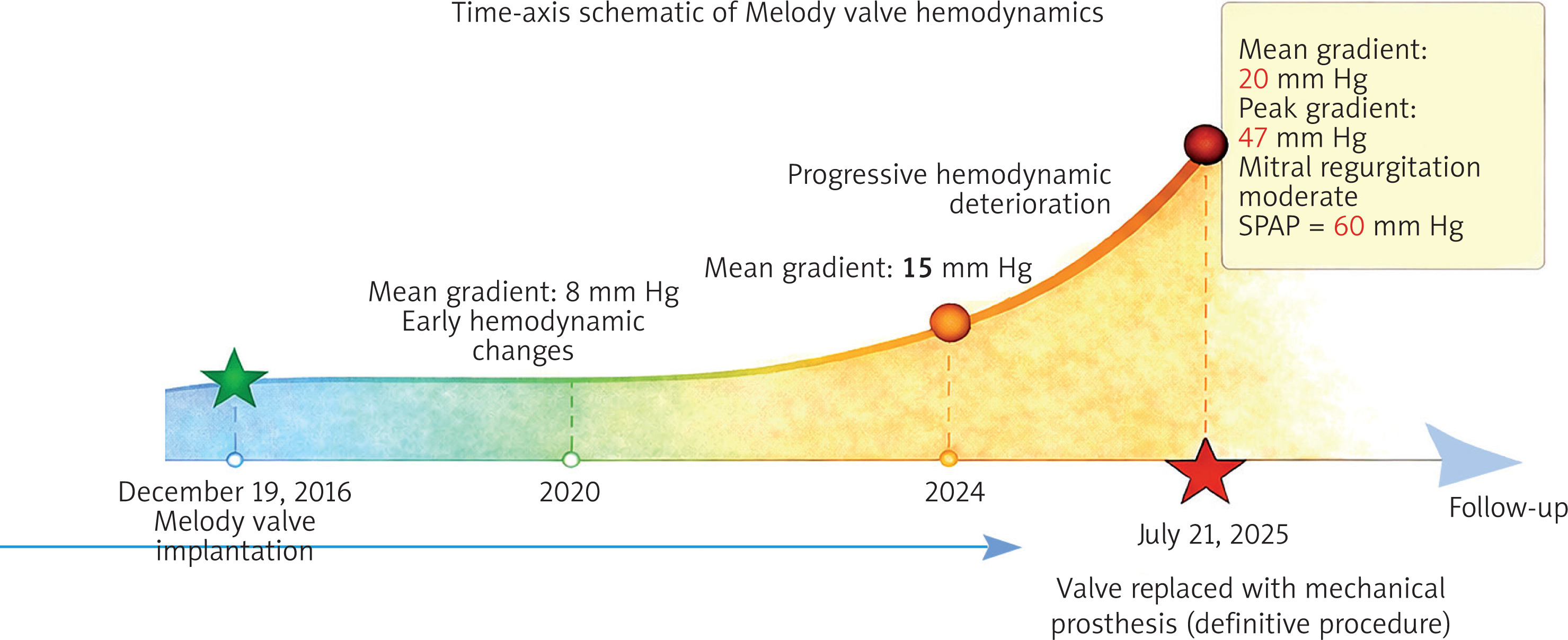
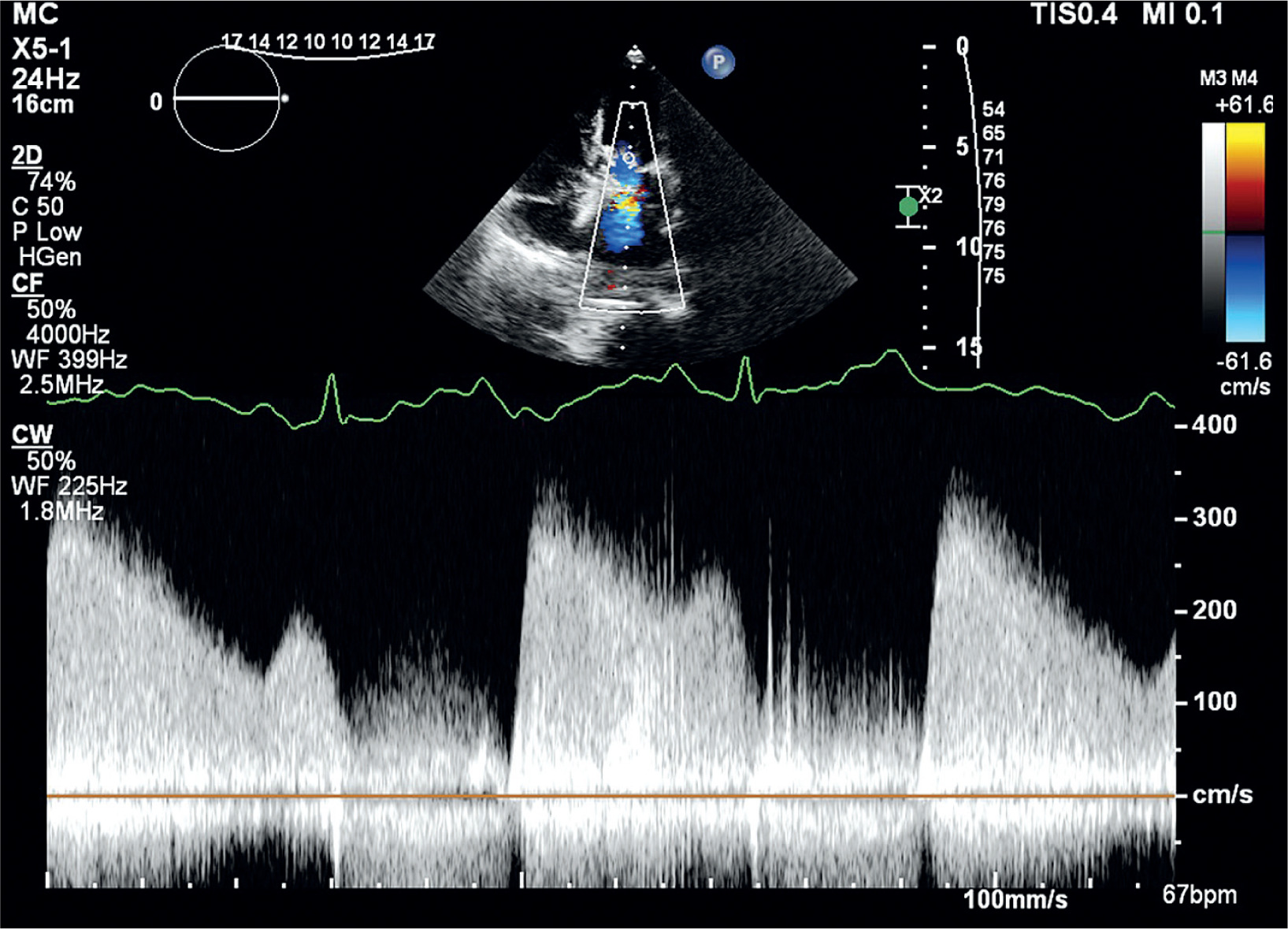
Table I
Clinical data during the follow-up period (2016–2024)
| Clinical course | Recurrent respiratory infections and reduced exercise tolerance, but no thromboembolic events or endocarditis recurrence. |
| Echocardiography | Progressive rise in transmitral gradients (final ~15 mm Hg) and increased regurgitation. Left ventricular ejection fraction decreased to 27–50% before reoperation (Figure 3). |
| Laboratory values | CRP: median 67.9 mg/l, peaks up to 117 mg/l during infections. INR: Median 2.75, range: 1.2–6.5; therapeutic on acenocoumarol. WBC: 4.9–21 × 103/µl, with leukocytosis during infections. Hemoglobin: ~10 g/dl, consistent with mild anemia. Creatinine: Stable (0.38–0.9 mg/dl). Bilirubin: Median 3.9 mg/dl, maximum 13.8 mg/dl perioperatively. |
On July 21, 2025, she underwent elective replacement of the Melody valve with a Medtronic Open Pivot 23 mm mechanical prosthesis. The procedure and postoperative course were uneventful.
After almost 9 years, at the age of 10 years (2025), the patient underwent reoperation because of rapid progression of symptoms due to valve dysfunction. The Melody valve exhibited a mitral gradient of 15 mm Hg with mixed stenosis and regurgitation. As percutaneous balloon dilatation was not considered a feasible option, the valve was referred for replacement.
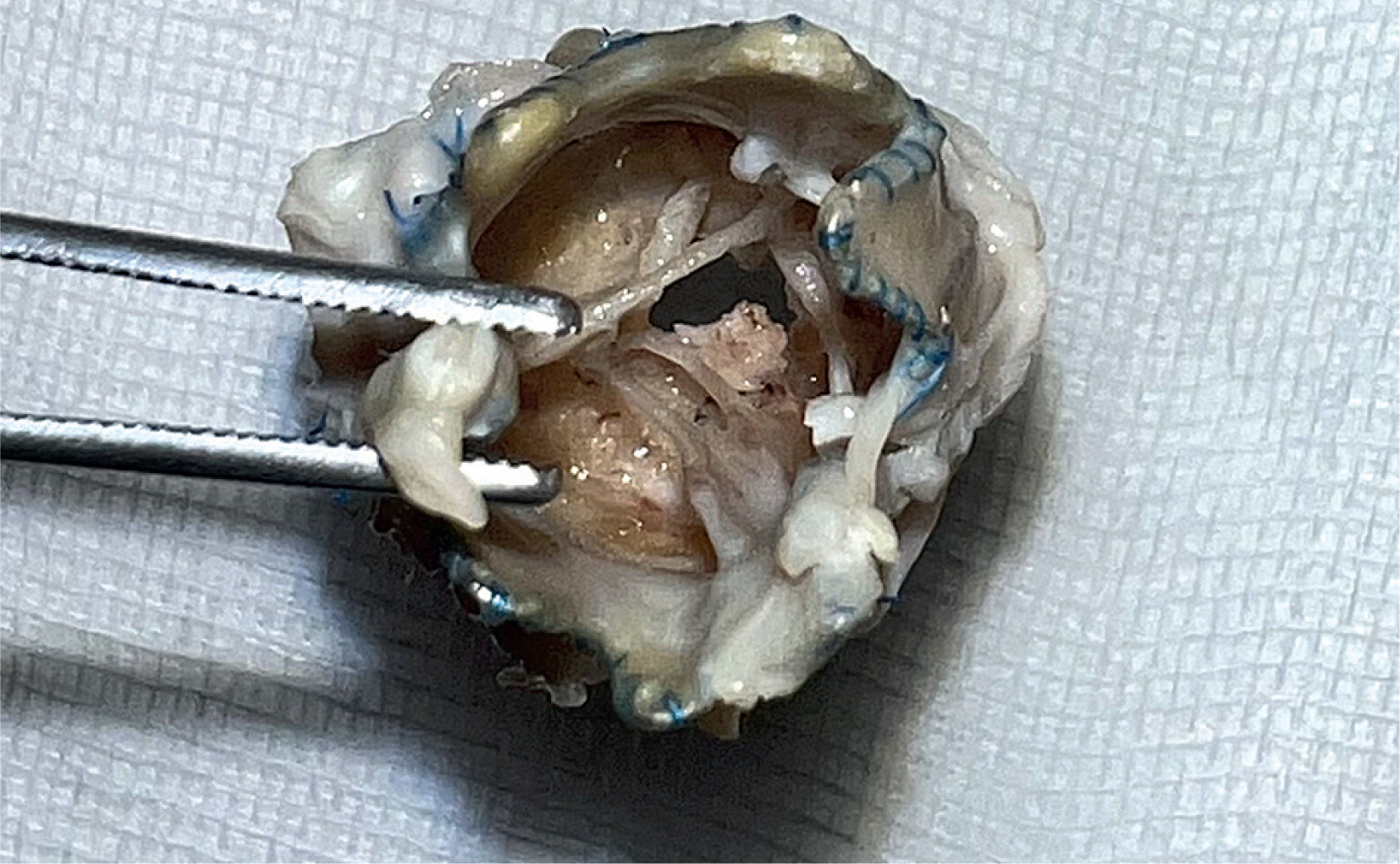
The Melody valve was explanted Via repeat sternotomy, the mitral annulus was measured, and a Medtronic Open Pivot 23 mm mechanical valve was implanted using semicontinuous monofilament sutures (Figure 4). Cardiopulmonary bypass was smoothly discontinued; the postoperative course was uneventful. The child received oral anticoagulation with acenocoumarol (Syncumar), which was subsequently switched to warfarin. She was discharged home in good condition with therapeutic INR controlled with oral medication and dedicated dietary restrictions, while echocardiography showed preserved ventricular function with good cardiac performance.
In summary, the Melody valve implanted with a hybrid approach for life-saving indications in the mitral position functioned for almost 9 years.
The Melody valve, initially designed for percutaneous implantations into the right ventricle outflow tract structures, has been reported as a temporary solution in infants with mitral valve disease.
Frigiola et al. described Italian multicenter experience, showing feasibility but limited durability, with most patients requiring reintervention within 3 years [1].
Freud et al. demonstrated the importance of preoperative echocardiographic measurements in predicting risk of LV outflow tract obstruction [2]. Dranseika et al. reported reproducible early outcomes in infants, but again, short durability [3]. Kantzis et al. reported transapical balloon dilatation of a Melody valve in the mitral position, highlighting the adaptability of this approach [4]. Malik et al. (2025) recently compared Melody versus mechanical valves in small children, underscoring the high reintervention rates in the Melody group [5].
Our case is unique for the extraordinary durability of the mitral Melody valve, reaching nearly 9 years.
Most series report degeneration within 2–4 years [1–3]. Contributing factors to this outcome may include careful anticoagulation management, preserved hemodynamics, and favorable biological response to the prosthesis.
This rare observation supports the option of Melody valve as a true “bridge-to-mechanical” option for children. By avoiding early mechanical valve implantation – associated with high perioperative mortality in infants and small children [5] – the mitral Melody valve allowed the patient to grow to an age and size permitting safe implantation of an optimal-sized mechanical prosthesis. This strategy should be considered a life-saving step towards a definitive procedure, contributing to long-term survival.
In conclusion, the Melody valve may be considered a safe and effective “bridge-to-mechanical” strategy in selected small children with severe mitral valve disease for whom native valve repair is not feasible. Although reported durability is generally limited, this case demonstrates that a surgically implanted Melody valve in the mitral position may function for exceptionally long periods in selected patients.
Our case is remarkable for nearly 9 years of Melody function, one of the longest durations reported.
The patient experienced no thromboembolic events and tolerated anticoagulation well. This case illustrates that, in selected pediatric patients, the Melody valve may serve as an effective bridge to subsequent mechanical valve implantation.













