Introduction
Atopic dermatitis (AD) is a common, chronic inflammatory disease with periodic remissions and exacerbations. Its characteristic symptoms include pruritus, erythema, xerosis, inflammatory papules and vesicles, along with erosions, fissures and crusting due to intensive scratching and lichenification because of prolonged inflammation [1]. AD may negatively affect cognitive processes such as working memory, concentration, attention, and speed of motor reactions [2]. AD imposes a severe burden on the patients, their families and the society. A study of AD patients in Middle East and Africa demonstrated that an average patient loses 0.19 quality-adjusted life years (QALYs) per annum because of AD [3]. There are also considerable economical costs related to the disease. Direct costs include purchase of prescription medicines, skincare products, doctor consultations, hospitalizations, and transportation. Indirect costs include missed days and lost productivity at work or school, career modification, and reduced quality of life. These costs may be devastating at a personal level, but also impose a significant burden on national economies. In the USA, the total costs of AD have exceeded $5 billion annually [4]. The economic burden for individual AD patient varies substantially from country to country depending on local prices and reimbursement programs. An average annual healthcare cost per patient with AD in the United Arab Emirates was estimated at $3,569, while the indirect population-level cost to the national economy was estimated at $112.5 million, as expressed in USD purchasing power of 2019 [3]. In a Dutch study, the average disease-related expenditure in a family calculated per one child with AD was estimated at €1,812 for mild, €2,680 for moderate and €5,861 for severe disease, expressed in 2021 currency values [5]. In a recent Swedish study, mean annual out-of-pocket costs for an adult with AD amounted to €900 while productivity loss was estimated at €1,972 in money value of 2024 [6].
Depending on the geographic area, the percentage of people who have experienced AD at least once in their life (lifetime prevalence) is estimated at 2.4-28.7%, while 1-year prevalence ranges from 4.5% to 20.2% [7]. Poland, where this study was conducted, appears to be in the middle of this range, although the available data indicate problems that do not allow for definitive conclusions to be drawn. A survey in a representative sample of 1,522 inhabitants of central Poland, whose questionnaire responses were verified by medical examinations and allergy tests, showed that the prevalence of AD was 9.2% in children and 0.9% in adults [8]. Unfortunately, the authors did not specify whether they reported on point prevalence or 1-year prevalence, whereas logically this cannot be the lifetime prevalence. Another study conducted on a representative sample of 18,617 Poles showed the figures of 5.3% among 6–7-year-olds, 4.3% among 13–14-year-olds and 3.0% among adults [9]. In addition to the lack of information on the type of prevalence rates reported, the latter study also relied on responses collected by pollsters rather than health care professionals. Collecting responses to questionnaire questions by interviewers without medical education or having them self-completed by individuals selected from the general public is subject to significant bias due to laypeople’s misconceptions about diseases and limited understanding of medical terminology. The only Polish cross-sectional study based on medical examinations and allergy testing done by a dermatologist involved 440 random students from 11 vocational schools located at least 100 km from each other. One class from the final year was drawn to participate in each school. In this study, the lifetime prevalence of AD was assessed at 5.0%, 1-year prevalence at 3.9%, and point prevalence at 2.5%. This study, however, was limited to a cohort of vocational school students aged 17–21 years which was not representative of the entire Polish population [10].
Despite the above-described methodological problems in estimating the exact prevalence, AD is certainly one of the most common skin diseases and further increase in AD cases is predicted, particularly among elderly females [11]. Combined with a high personal, social and economic burden this makes it a subject of intensive research worldwide. A simple PubMed query (“atopic dermatitis”[title] OR “atopic eczema”[title]) on 8 March 2026 returned 21,429 articles. Among skin diseases, this figure was second only to psoriasis (37,322), but significantly exceeded other common diseases like acne (12,151), urticaria (9,684), contact dermatitis/eczema (9,464), tinea (3,678) and rosacea (3,168). Apart from the strong share of experimental and clinical research, other aspects of this multifaceted disease have been subject of intense study, including quality of life, psychological and social burden, coping strategies and educational needs of AD patients, their families, broader social environment or general public. In such studies, questionnaire surveys are the method of choice. Apart from low cost, accessibility and convenience (distribution by Internet or mail) allowing for surveys of large populations, there also seems to be little alternative to questionnaires when measuring subjective phenomena like emotional burden, needs, but also personal opinions or values. A broad spectrum of aspects of living with AD were studied using questionnaires, from various dimensions of quality of life, anxiety and depression levels, psychological distress, personality traits and treatment adherence, corticosteroid phobia, to perceived impact of climate change on the disease, to name just a few examples of questionnaire-based surveys published in the first quarter of 2026 [12–18].
Skin care, in particular the use of emollients, is the mainstay of all AD management in most recommendations published since the beginning of the 21st century [19–30]. In this context, it is surprising how little research has been undertaken to understand the real life skincare habits of AD patients and their opinions on the beneficial and adverse effects of skincare products. To our knowledge, only two surveys have been devoted to this topic until now. A questionnaire survey of parents of children with AD was focused on their routines of skin care and the perceived impact on the course of their children’s dermatitis [31]. Among other factors like food or physical activity, the questionnaire asked specifically about the influence of skincare products on the condition of the skin in AD. As many as 42.3% of parents expressed an opinion that relapses or exacerbations of their child’s AD were provoked by cosmetics, 30.8% were able to name specific offending products. Leave-on skincare products, like creams, body balms, emollients or moisturizing oils were named by 20.5% of parents, and 18.3% observed a significant improvement in their child’s skin condition after eliminating them [31]. In principle, skincare products are not supposed to have irritating properties, however, some ingredients, e.g., emulsifiers could irritate skin that is already damaged. Moreover, repeated application of topical skincare products on inflamed skin may result in the development of secondary contact sensitization in the course of AD [32]. Regulatory efforts aimed at reducing the presence of potential sensitizers in skincare products seem not to bring satisfactory results, as illustrated by two studies of emollients available on the Polish market that were conducted 10 years apart. In 2012, 79% of emollients offered in Polish pharmacies contained ingredients with known sensitizing potential [33]. Ten years later, 75% of emollients available on the Polish market contained known sensitizers [34]. Another survey of skincare practices was conducted recently in China, in which only 5% of respondents declared that they “always” or “often” follow the daily routine of moisturizer use, highlighting the need for targeted educational interventions to improve the AD management [35]. Another two surveys were devoted to a related subject of factors determining perceived effectiveness of emollients. In one of them, older patients were more likely to be satisfied with the effectiveness of emollients, while the majority of young people with early-onset AD found it insufficient [36]. The latter was focused on the impact of emollient use on overall costs of treatment and revealed that the use of emollients was more helpful in reducing the costs in patients with mild AD than in patients with a severe form of this disease [37]. Only the first of the above-mentioned studies addressed the adverse effects of skincare products used in AD [31]. In light of the above data, it was justified to develop a questionnaire focusing on the skincare practices of adult patients with AD and their perceived benefits, burdens, and adverse effects. In response to this need, we developed and validated a questionnaire which was presented before [38].
Aim
The present study aimed at understanding the skincare practices used by adult people with AD, perceived burdens and benefits from everyday skin care as well as adverse reactions to skincare products intended for AD in people with AD.
Material and methods
The target group for the study were adults with AD. Participants were recruited on a voluntary basis among members of the Facebook group of the Polish Society of Atopic Diseases “Atopic Dermatitis and Allergy: a support group for adult atopic patients” with 12,600 members. An invitation to participate in the survey was first posted in the group on 8 June 2022, and the survey was open until 8 July 2022. During that period, reminders with the link to the web-based questionnaire were posted four times in order to involve as many people as possible. The anonymous questionnaire used in this study was focused on self-skin care, as well as its perceived burdens and benefits in AD patients and was presented elsewhere [38]. It consists of 26 questions of which 16 are closed-ended (selection among ready answers) and 10 open-ended in which respondents could write their answers in provided textboxes. The respondents were also invited to upload photographs of cosmetic products which they used on the day preceding the participation in the survey. Additional space to leave one’s own opinions and suggestions was also provided. Only complete questionnaires, i.e., containing answers to all 26 core questions could be saved. Uploading of photographs and final comments were not obligatory. The survey was anonymous, participants were only asked about their gender and age. The inclusion criteria were age of 18 years or older and having the diagnosis of atopic dermatitis. Information about the scope and aims of the survey, as well as target group of respondents were included into the preamble of the online questionnaire, the participation was considered as equivalent to giving the informed consent. The study protocol was approved by the institutional Research Ethics Committee.
Results
We received responses from 186 people, of whom 2 declared that they did not have atopic dermatitis and were excluded from further analyses. The final number of respondent was, therefore, 184, including 144 (78.3%) women and 40 (21.7%) men aged 18 to 49, median 27 years. In response to the question about the specialty of doctors who diagnosed their atopic dermatitis, the majority of respondents (159; 86.4%) indicated dermatologists, then allergists (33; 17.9%), family doctors (12; 6.5%) and other doctors (3; 1.6%), with some respondents indicating more than one diagnosing physician.
Burden associated with atopic dermatitis
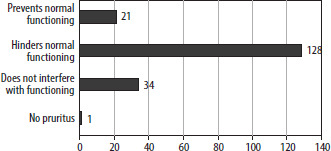
The majority of respondents (165; 89.7%) complained of frequent discomfort resulting from the appearance of their skin due to AD. Among most bothersome symptoms which significantly interfered with daily activities, pruritus (itch) was indicated most frequently (149 respondents, 81.0%). The burden of disease symptoms in the studied group is presented in Figures 1 and 2.
Sources of information about skin care in atopic dermatitis
The closed-ended multiple-choice question about sources of advice while selecting skincare products was created with professional groups in mind, therefore, the respondents had to tick one or more professional groups from a ready-made list. However, 48 (32.4%) respondents also ticked the answer “other” and typed in non-professional sources of information. To avoid wasting this information, we arranged these spontaneous responses post hoc into the following main categories: online forums and support groups for people with AD (18 out of 48, 37.5%), friends or acquaintances with AD (11; 22.9%), online product reviews (9; 18.7%), search engine queries (8; 16.7%), printed magazines (2; 4.2%), product advertisements (1; 2.1%), and personal experiments with various products (1; 2.1%). The answers consistent with the original intention, i.e., indicating professional groups as the source of advice regarding skincare products for people with AD are presented in Table 1.
TABLE 1
Professional groups as a source of advice when choosing skincare products (N = 184)
| Profession | Indicated by | % |
|---|---|---|
| Physician | 129 | 70.1 |
| Pharmacist | 90 | 48.9 |
| Dermoconsultant1 | 58 | 31.5 |
| Cosmetologist2 | 18 | 9.8 |
| Nurse | 5 | 2.7 |
| Dietician | 5 | 2.7 |
[i] 1Dermoconsultant is a hired person, typically without formal education in skin care or health sciences, who advises customers at pharmacies or drug stores about cosmetic products, see also the Discussion section. 2Cosmetologist is a person who has com-pleted higher education (bachelor’s or master’s degree) in cosmetology, a curriculum of which combines elements of medical and health sciences with cosmetic chemistry
The burden of skin care as perceived by people with atopic dermatitis
The study participants declared that they devote to skin care from 1 to 450 (median 40) min a day and apply skincare products to their body from 1 to 30 (median 4) times a day. According to their answers, before they were diagnosed with atopic dermatitis they used from 0 to 50 (median 1) skincare products per day, while after the diagnosis they used from 1 to 16 (median 4) products per day. With regard to the area of application, 66 (35.9%) respondents declared that they apply skincare products to the entire body, 84 (45.7%) to an area greater than diseased skin but not entire body, while remaining 34 (18.5%) limited the application only to the affected skin. Asked to list all skincare products they had used the day before completing the survey, the respondents listed in total 228 different products. The majority of descriptions entered by the respondents was incomplete with only brand name or only function mentioned in many instances, therefore, an in-depth analysis was not possible. However, among 159 products specified by trade names, brands advertised as products for sensitive or problematic skin seemed to be ubiquitous. Other than that, 7 prescription drugs (topical steroids and tacrolimus) and 6 prescription-free topical medicinal products were listed by the respondents among skincare products.
Bathing practices and products used by people with atopic dermatitis
With regard to washing practices, the respondents declared that they bathed between 0 and 14 (median 7) times per week and spent between 0 and 45 (median 8) min per bath. Among 144 women, the average bathing time ranged from 0 to 45 (median 8) min with bathing occurring between 0 and 14 (median 7) times per week. Both values of “0” were given by one woman, this would suggest that she never bathed which could not be clarified due to the anonymity of the survey. Among 40 men, the average bathing time ranged from 5 to 30 (median 8) min, they bathed between 1 and 14 (median 7) times per week. There were no statistical differences between women and men (Yates’ χ2 = 0.238, p = 0.62) regarding the declared method of bathing (Table 2).
TABLE 2
Bathing routines among people with AD
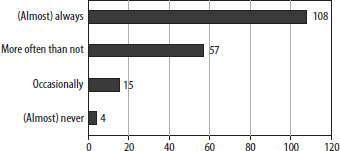
In response to the request to list all the products they used for the last bathing preceding the survey, study participants listed a total of 122 different products. In most cases they mentioned merely brands (65 respondents), rather than the actual product, function and purpose. Unfortunately, nobody opted to upload photographs of products they used, which limited usability of the collected data. Among products with specified function, shower gels were mentioned most frequently (46 participants; 25.0%), followed by soaps (28; 15.2%), oils (21; 11.4%), and “2 in 1” or “3 in 1”-type combo products specified by 19 (10.3%) respondents. Only 3 (1.6%) persons declared that they used plain water for bathing. Further summaries were not possible due to the heterogeneity and incompleteness of the descriptions. Participants’ declarations regarding compliance with the rule of applying skincare products immediately after bathing are presented in Figure 3. The respondents declared that they apply these products from 0 to 60 (median 3) min after leaving the bath.
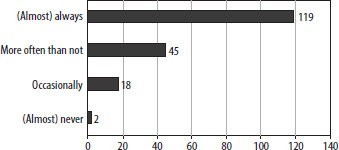
Weighing the positives versus negatives of skin care in atopic dermatitis
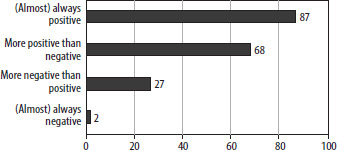
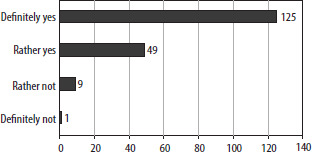
Addressing the perceived benefits and adverse effects of skincare products, 155 (84.2%) study participants responded that the majority of skincare products intended for AD which they ever used had a beneficial effect on their skin, while negative effects of AD products prevailed in 29 (15.8%) participants (Figure 4). The participants’ overall assessment of benefits of using skincare products for AD is presented in Figure 5. When asked about the experience with discontinuing skincare products, the majority (168; 91.3%) responded that previous breaks in the use of skincare products resulted in a deterioration of their skin condition and 9 (4.9%) would not see any difference. Contrary to this, 7 (3.8%) respondents experienced an improvement after withdrawal of skincare products intended for AD.
Adverse reactions to skincare products in atopic dermatitis
Sixty-nine (37.5%) respondents declared that they experienced adverse effects after using skincare products intended for atopic dermatitis. Those who did, were asked to describe their reactions in a textbox as a free form chosen in order to avoid suggestion bias. The spontaneous descriptions of problems provoked by skincare products were grouped whenever they were considered as synonyms (e.g., “redness” and “erythema”, “dry skin” and “insufficient skin hydration”) by the senior author – a dermatologist with 30 years’ experience of taking patient’s history. Descriptions such as “irritation” or “skin tightness” were kept verbatim, because it was not clear whether they referred to the skin appearance, e.g. erythema, or subjective symptoms like pruritus, pain, burning of stinging. The most common adverse effect of skincare products for AD was burning sensation of the skin, followed by pruritus and erythema (Table 3).
TABLE 3
Adverse reactions to skincare products intended for atopic dermatitis as spontaneously reported by the respondents who experienced them (N = 69)
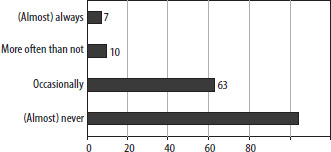
When specifically asked in one of the following, closed-ended questions about the frequency of unpleasant sensations like itching, burning or stinging after applying skincare products intended for AD, 80 (43.5%) admitted to having them at least occasionally, including 17 (9.2%) who complained of frequent occurrence of such problems (Figure 6).
FIGURE 6
The frequency of irritant reactions experienced by people with AD after using skincare products intended for AD (N = 184)Awareness of skincare product ingredients among people with atopic dermatitis
Regarding the practice of reading ingredient lists of the skincare products, 70 (38.0%) respondents declared that they always or almost always read them, 57 (31.0%) admitted that they read more often than they do not, 30 (16.3%) do this occasionally, while 27 (14.7%) admitted that they never or almost never read the ingredient lists of skincare products.
Discussion
Given the universal recommendation for dedicated skin care in AD management guidelines, the paucity of studies examining the actual skincare practices used by AD patients and their perceived benefits, burdens, and side effects is surprising. According to participants of this study, an average time expenditure on skin care is 40 min per day, divided into 4 sessions, including 8 min of bathing. Although some respondents named topical medicinal products among skincare products, in general the Polish term for skin care (“pielęgnacja skóry”) does not overlap with words referring to therapy. Therefore, it seems reasonable to assume that the above figures do not include time spent on application of medicinal products. According to a French survey, AD patients spend on average 13 min a day on applying topical treatments for AD [39]. With regard to burden associated with applying emollients in AD, 51% of French patients agreed with a statement that it is difficult for them to apply emollients to certain areas of their body and 31% that they use them as little as possible. With regard to the tolerability of emollients, 89% of French AD patients stated that emollients have no side effects [39]. This seems to lead to a conclusion that 11% probably had experienced some kind of adverse effects of emollients. In the present study, 15.8% of participants stated that they experience more negative than positive effects of products intended for AD – a term covering more products types than just emollients.
The results of the present study seem to confirm that the majority of AD patients does indeed benefit from proper skincare use. Nevertheless, there is a subgroup of patients with atopic dermatitis in whom adverse effects of dedicated skin care seem to outweigh the promised benefits. Aggravation provoked by most or all skincare products was reported by 15.8% of respondents. Doctors treating patients with AD should be aware of this and identify patients who may require further diagnostic work-up for allergic or irritant contact dermatitis, contact urticaria and other dermatoses provoked by skincare products. Medical professionals should also educate patients that statements on the label that a given product is “hypoallergenic”, “for atopic skin” or “dermatologically tested” do not guarantee that every patient with AD would tolerate it and benefit from its use. This is especially important, because 70.1% of participants in this study indicated doctors as the main source of advice on skincare products for AD, while pharmacists were in the second place (48.9%). Unfortunately, current evidence seems to indicate that community pharmacists lack necessary knowledge and offer limited recommendations on AD treatments [40]. The third group, dermoconsultants, were indicated as the source of advice by 31.5% of respondents (Table 1). In contrast to physicians and pharmacists, dermoconsultants are not certified or state-licensed professionals, but people employed in pharmacies and drugstores whose role is to advise customers what cosmetics they should buy for their specific skin problems. A study of 57 Polish dermoconsultants revealed that none had a medical degree, 57.8% declared that they held master’s or bachelor’s degree in cosmetology. However, 21.0% of dermoconsultants did not have any training in health sciences or cosmetology, some of them were graduates of psychology, culture and media management, biotechnology, food technology, there was even a cook. “Atopic dermatitis” was the topic of 31.6% of consultations provided by these dermoconsultants, which seems rather worrying [41].
Consumers are inundated with advertisements of skincare products with unsubstantiated claims of their alleged benefits and safety. Marketing strategies frequently employ the impression of cosmetic products being “science-based” which allegedly would guarantee their special features. This practice, referred to as “scienceploitation” or “science washing” has its own literature and was recently discussed in detail on the example of trichological shampoos [42]. Such practices also seem to effectively influence the decisions of patients with AD, as among 159 products used for skin care which the participants specified by trade names, the vast majority were cosmetic brands that position themselves as science-based, and market their products as designed for sensitive or problematic skin. The exact share of such products could not be calculated in this case, because some of the brands offer cosmetics with various purposes and indicated conditions, not only AD. Nevertheless, brands associated with atopic dermatitis or “atopic skin” greatly prevailed. Manufacturers usually use the term “atopic dermatitis” without mentioning that it is a medical diagnosis made by doctors, which may give consumers the impression that the term may refer to any skin problem. Another popular term is “atopic skin”, which seems to resonate well with consumers but has no scientific meaning. An analysis of marketing communications has demonstrated that “atopic skin” is usually defined as dry and delicate skin with a compromised barrier function, requiring daily use of emollients. This term partially overlaps with the term “sensitive skin” which seems to place greater emphasis on excessive sensitivity to external factors [43]. A previous study has demonstrated that vast majority of cosmetics labelled as intended for “sensitive skin” and “atopic skin” do contain ingredients with known sensitizing or irritating potential, and only one in ten did not contain ingredients whose use in cosmetics was restricted in the EU due to health concerns [44]. A somewhat comforting observation from the study was that products “for atopic skin” contained fewer problematic substances (median 2.5 per product) than those intended for “sensitive skin” (median 4) [44]. This could be an explanation for lower sensitization rates to some cosmetic ingredients reported among patients with AD as compared to other groups [45, 46]. Additionally, vigilance with regard to products’ composition seems relatively high – 2 in 3 participants (69%) declared that they read ingredient lists for a majority of skincare products they use. This is despite the fact that the presentation of the cosmetic composition usually does not encourage or facilitate its analysis. Therefore it seems reasonable that skincare products, especially those dedicated to AD should be more like patient information leaflets (PILs) for prescription medicines. Research has shown that well-structured, infographic-based PILs are easier to read and understand, making them more accessible to individuals with varying levels of health litera- cy [47].
Self-administered questionnaire surveys are prone to reporting bias. Due to the anonymous nature of the survey, it was not possible to contact participants and verify their answers that seemed strange. An example may be a declaration by one participant that she never bathed. Having no means to verify this we decided to keep this result as it was because there were no other outliers among her responses and the given values of 0 did not substantially influence the median values which were the outcome in the questions about the frequency and time spent on bathing. Another insight may be offered by a cross-check of related questions. In the first, general part of the survey, participants were asked “Have you ever experienced side effects of skincare products for atopic dermatitis?” and there were only 2 possible answers “yes” or “no”. Those who answered “yes” were further asked to describe their symptoms as a free form text to have spontaneous responses and avoid suggestion bias. “Yes” was ticked by 69 respondents who went on to describe a range of adverse reactions, mainly affecting the skin but also including malaise and dyspnea. This seems somewhat inconsistent when confronted with responses to another question in the second part of the survey, dedicated to the burdens of skincare in AD. When responding a closed-ended, single answer “Have you ever experienced any unpleasant sensations after using skincare products for atopic dermatitis, such as itching, burning, stinging, or irritation?”, 80 respondents answered that they had such sensations at least occasionally. More people answered affirmatively to a question that concerned a smaller range of issues, but was asked directly. It seems to be a general tendency that open-ended questions yield less information than closed-ended ones which should be kept in mind while analyzing results of questionnaire surveys. Also the declared number of cosmetics used by the respondents may be an underestimation. In a previous study of 285 young adults, participants were asked how many cosmetic products they use on 1 day. Only after writing down the answer and turning the page, they saw an extensive list of various types of cosmetics and were asked to tick all products they used on the previous day. After summing up the responses, it turned out that the respondents significantly underestimated the actual figures – in the case of women by an average of 8.8 products (p < 0.001), and in the case of men by 1.7 products (p < 0.001) [48]. Similar processes could have happened also in the present study. We could not verify this because none of the respondents used the offered opportunity of uploading photographs of skincare products they were using. This contrasts with a recent Danish study of AD patients, 52% of whom declared that they would prefer a remote online visit with uploading skin lesion photographs over a routine in-person office visit [49]. A possible explanation for the difference is that the expected reward (a doctor’s consultation) is a considerable incentive while there was virtually no reward for the fatigue of taking photos and uploading them in our anonymous questionnaire survey. Uploading of the pictures was optional, however, we were hoping that these pictures would enable us to analyze in more detail cosmetics used by AD patients. Unfortunately, most of the descriptions entered manually by survey participants did not contain sufficient information, e.g. about the brand, purpose and intended use of the cosmetics, which made it impossible to conduct more detailed analyses.
Conclusions
Almost all patients with atopic dermatitis experience discomfort related to the appearance of their skin while pruritus is the most bothersome subjective symptom that interferes with everyday functioning.
Patients with atopic dermatitis use a wide range of skincare products and devote a significant amount of time to skin care. Their average daily regimen includes 4 skincare sessions totaling 40 min/day, including one 8-minute bath with emollient application starting within 3 min after bath. However, significant differences exist between individual patients.
Most patients see benefits from using skincare products, but 1 in 3 patients with atopic dermatitis has experienced at least one adverse reaction, and 1 in 6 patients finds that using skincare products for atopic dermatitis does more harm than good. Physicians should actively identify such patients in order to adjust diagnosis and disease management program to their individual needs.