

The importance of intermittent fasting for the composition of the gut microbiota and cardiometabolic parameters

The use of time-restricted eating (TRE) eating) is attracting considerable interest as a non-pharmacological method to support the treatment of excess weight. It also appears that the times at which meals are consumed influence the composition of the gut microbiota.
An 8-week, randomised clinical trial assessed the extent to which meal timing affects the profile of the gut microbiota, serum metabolome and cardiovascular risk factors.
The study involved 60 young adults (who were overweight or obese), who were divided into three groups: those following an early 6-hour (7.00–13.00), a late eating window (12.00–18.00) and a control group with no time restrictions on meal times.
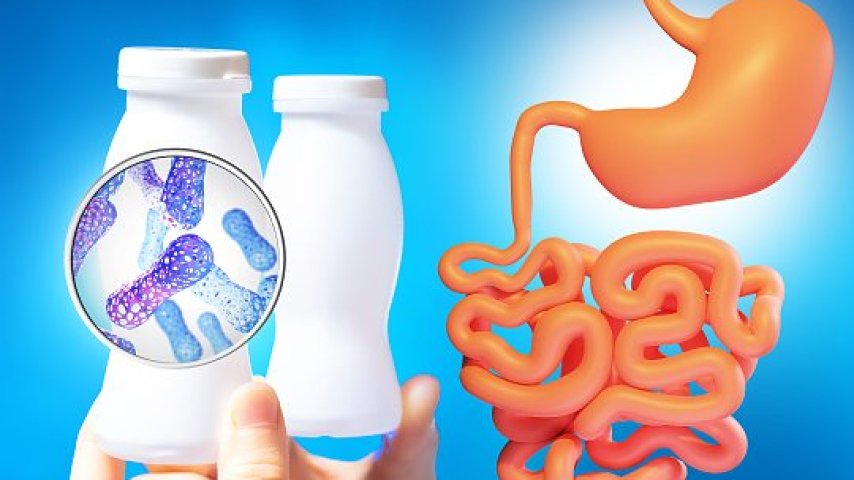
- Changes in the microbiome: In both groups using time windows, an increase in the overall diversity of the gut flora was observed. The early feeding window favoured the proliferation of bacteria of the genus Faecalibacterium and Lactobacillus, whilst in the later window a decrease was observed, amongst other things, in the abundance of the pathogenic Shigella.
- Metabolic and clinical response: The remodelling of the microbiota was associated with changes in the serum concentrations of specific metabolites (including L-malic acid and isovaleric acid). These changes correlated with the desired reduction in body weight, a decrease in body fat, a reduction in systolic blood pressure, and improvements in insulin sensitivity markers.
When analysing the above reports, one should maintain a degree of criticism and take into account the significant limitations of the study. Both TRE groups consumed significantly fewer calories compared to the control group. This fact makes it difficult to an unambiguous conclusion as to the extent to which the observed benefits result from ‘fasting’ itself, and to what extent they are simply the effect of an energy deficit.
Despite these shortcomings, the results provide valuable insights, suggesting that manipulating the circadian rhythm of meals alone has the potential to have a real impact on our metabolic health.
Read also: “Stress damages the blood and the gut”
